Define the brief
Set the purpose, dimensions, order quantity and target date. Share references for the look and function.
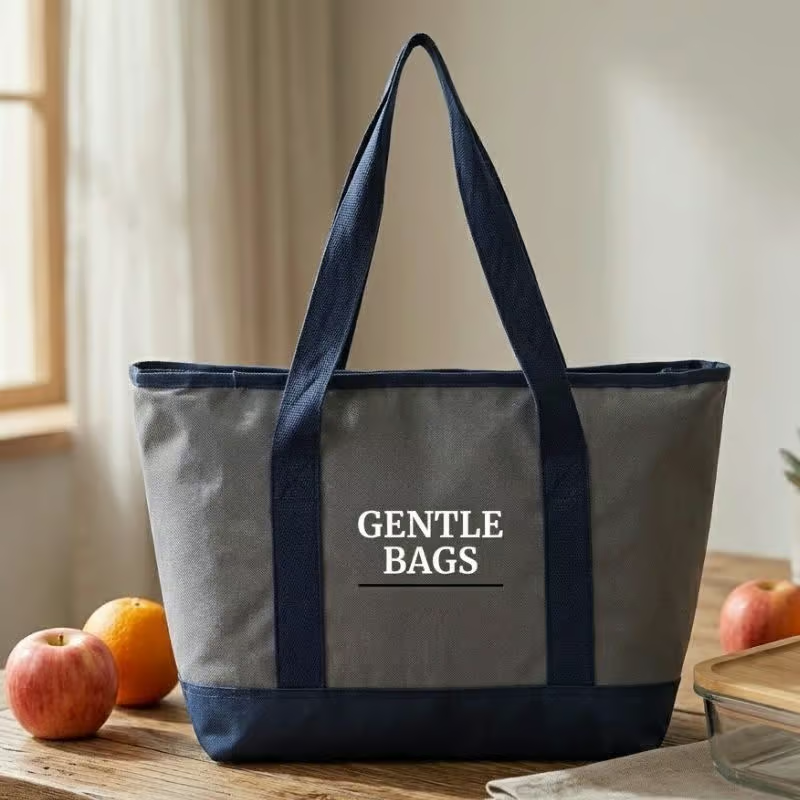
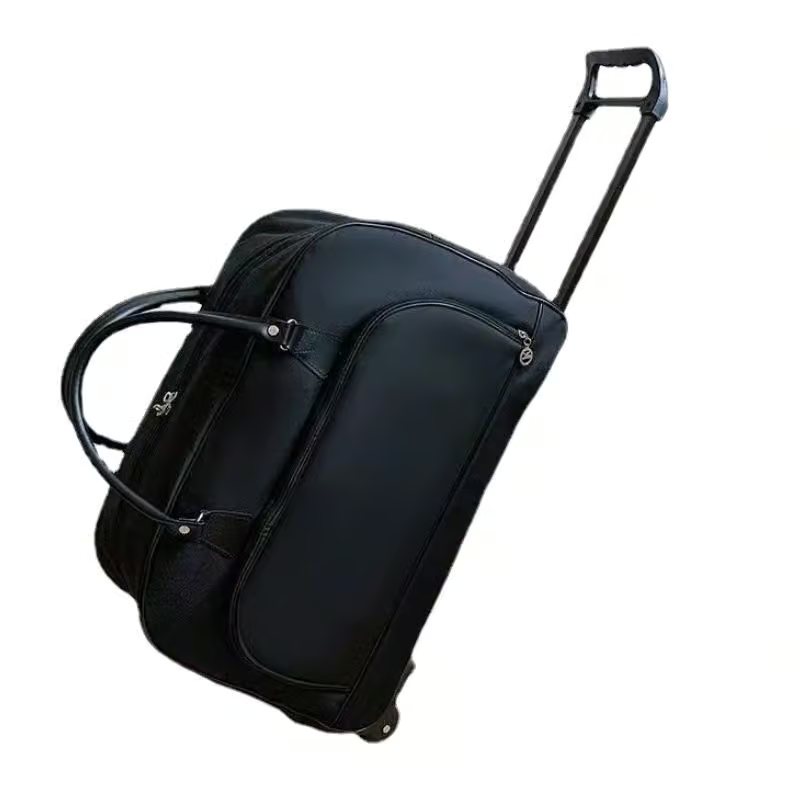
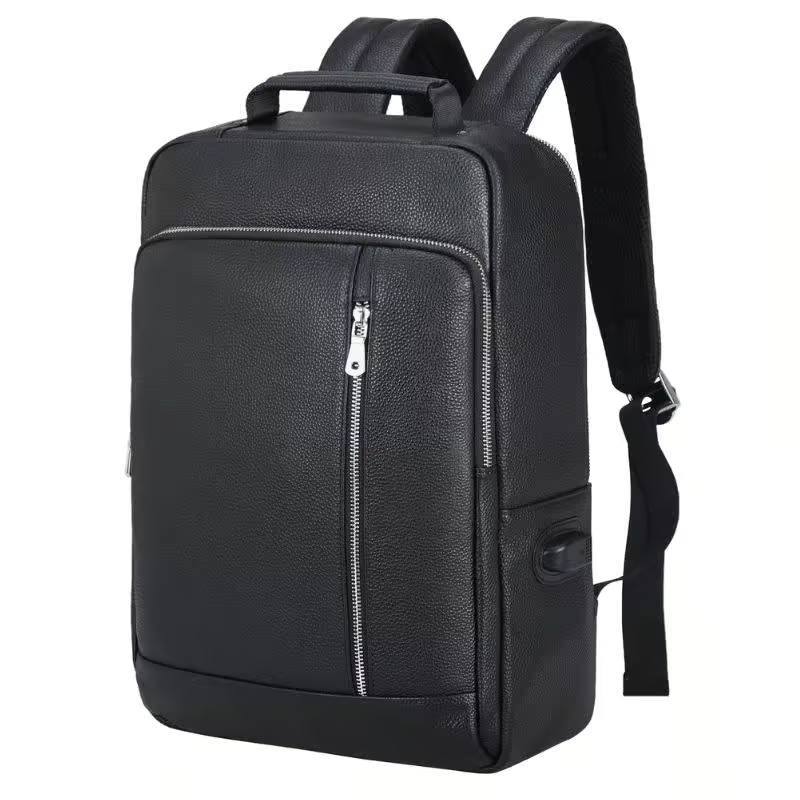
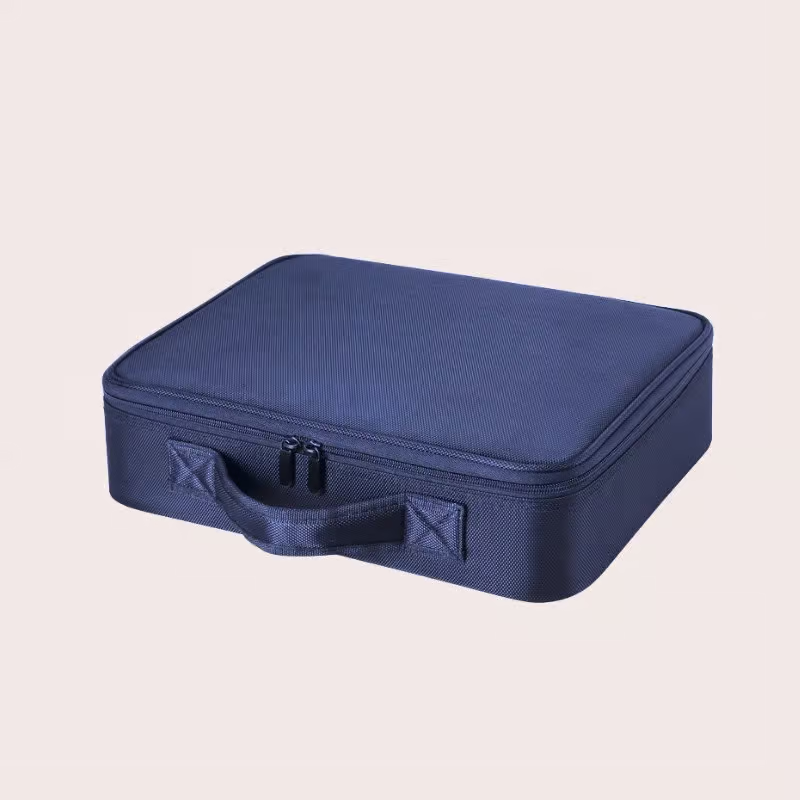
Plan custom tool bags with logo for wholesale and OEM projects. Specify tool fit, pockets, carrying load, reinforcement and sample approval requirements.
List tool dimensions, sharp edges and total load. Agree handle attachment, pocket access and reinforcement against the intended working conditions.
Give a tool bag manufacturer or supplier the actual tool list before selecting a pocket layout. For custom or wholesale tool bag projects, CarryFoundry reviews dimensions, access, carrying method, material, logo and order quantities together. Approve the assembled sample against agreed requirements before bulk production.
| Decision | Specify and check |
|---|---|
| Tool inventory and size | List the longest and widest tools, cases, batteries and consumables. Record total packed weight and identify sharp or abrasive contact points. |
| Pockets and access | Map each tool to a pocket or compartment. Check opening clearance, retention and retrieval while the main space is fully loaded. |
| Carry format | Compare hand-carried tote, enclosed bag, backpack or pouch by the route and access needed. Confirm a proposed format on a project sample. |
| Reinforcement and base | Review handles, strap anchors, pocket edges, base structure and seams against the agreed load and working conditions. |
| Logo, quantity and approval | Mark artwork clear of wear points and attachments. Specify pieces per variant, packing and inspection criteria; record the approved sample revision. |
The right quotation begins with a shared understanding of the product. These details help define the sample and production brief.
| Dimensions & material | Specify finished dimensions, outer fabric, lining and reinforcement; approve these on the sample. |
|---|---|
| MOQ by reference style | Request a style-specific minimum. Specify quantity per design and color; fabric, hardware and decoration can affect the minimum. |
| Sampling | Confirm sample cost, revision allowance and completion date after artwork and materials are agreed. Courier transit is separate. |
| Bulk production | Confirm the production start and dispatch date in the quotation after the specification, sample approval and payment requirements are agreed. Freight and customs are separate. |
| Packing | Confirm individual protection, folded dimensions, units per carton, carton size and weight, labels and carton marks. Request an agreed packing list. |
| Quotation & payment | Request itemized unit price, sample and tooling charges, payment milestones, quote validity and the named delivery term and place. |
Set the purpose, dimensions, order quantity and target date. Share references for the look and function.
Choose materials, structure, logo placement and packaging. Turn the idea into a specific development brief.
Check the material, construction and decoration on a physical sample. Confirm revisions before production.
Agree the quality checks, packing requirements and shipping plan against the approved specification.
The details that help turn an idea into a clear production brief.
List tool dimensions, sharp edges and total load. Agree handle attachment, pocket access and reinforcement against the intended working conditions.
Arrange the complete daily kit, including batteries and protective cases, and measure its largest items. Define the main opening and usable pockets, then check retrieval and closure on the loaded sample. Review total weight and how the bag is lifted. Extra empty volume is not useful if a long tool cannot pass through the opening.
A backpack brief prioritizes carrying comfort, strap adjustment and tool retention while moving. A tote brief prioritizes quick access, handle clearance and keeping the base stable at the work position. Assess both with the same tool kit and intended route. Check whether exposed tools need a cover and confirm any proposed backpack construction before ordering.
Define the working load and expected use first. Inspect handle and strap attachments, reinforced pocket mouths, base construction, seam finishing and closure access with that load. Agree the repeat-use or abrasion checks and acceptance criteria for your project. “Heavy-duty” is not a substitute for a measured working-load or durability result.
Identify the hand tools, meter, fasteners and sharp ends that must be retained. Check pocket depth, attachment fit and access in the intended working position. Review covered or separate compartments where required by the kit. An ordinary tool pouch is storage equipment; no electrical-insulation or protective-equipment rating is established by its material or trade label.
Group sockets, spanners, larger tools and consumables by size and frequency of use. Identify abrasive, oily or dirty contact conditions so the supplier can review lining, cleaning and construction. Check access, base support, attachment points and the filled carrying load. Match the brief to the actual trade kit rather than relying on a generic occupation label.
The minimum is confirmed for the selected design, material, color and decoration. Send the quantity per variant so we can check the brief against material and production requirements.
Treat sample making, revisions, bulk production and shipping as separate stages. A catalog sample estimate is not an arrival-date promise. Ask for an agreed sample completion date, approval deadline and production dispatch date before committing to a launch.
Approve a dated sample and specification covering dimensions, fabric, lining, hardware, artwork and packaging. Agree inspection methods and acceptance criteria, including any destination-market tests, before production.
Use the same specification and quantities for each quote. Separate unit price from sampling, tooling, packaging and freight. Confirm the delivery term, payment milestones, quote validity and how approved changes affect price and schedule.
Tell us the style, quantity and finishing details you have in mind. Bring a sketch, a reference sample, or simply a starting point.