
By CarryFoundry · Updated
Choose around the contents and the use.
Begin with what the bag carries, how it opens, whether it folds for storage and how it will be cleaned. A cosmetic pouch, a retail tote and a travel duffel place different demands on the complete construction. Use those requirements to compare materials. The fabric name alone does not establish carrying strength, protection, service life or compliance.
Write a reproducible fabric specification.
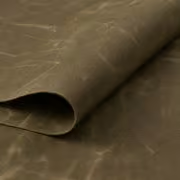
Record the fiber composition, fabric weight or specified denier, weave, finish, color reference and any backing or coating. Weight and denier describe different characteristics; neither is a universal quality score. Ask the supplier to identify the sample swatch and material revision. Keep a retained swatch with the approved bag so a later material change can be evaluated against a physical reference.
Choosing materials for cosmetic and toiletry pouches.
Start with the product set, presentation and cleaning requirements. A flat beauty-sample pouch and a structured toiletry kit need different linings, openings and reinforcement. For canvas cosmetic bags wholesale, specify fiber composition, weight, weave and finish; a fabric name or a reference photograph is not a complete production specification. For a clear pouch, identify the film before choosing decoration or making a material claim.
| Material route | Specify for the project | Check on the finished sample |
|---|---|---|
| Canvas | Fiber composition, weight, weave, lining and print position | Filled shape, seam bulk, fine lettering and agreed cleaning method. |
| Nylon or polyester | Fiber, construction, coating if any, lining and compartment layout | Zipper access, lining contact and decoration on the chosen surface. |
| PVC or TPU film | Exact polymer, thickness, clarity, binding and closure | Flexibility, seam construction and decoration adhesion; review market requirements. |
| PU-coated material | Backing, coating, surface finish, thickness and lining | Folds, edge finishing, care method and the decorated sample. |
| Denim | Composition, weight, wash, lining and artwork method | Color transfer, surface texture and appearance after the agreed care process. |
Use the product sample to settle the lining and fit.
List the products that touch the lining and whether the bag will be wiped, spot-cleaned or washed. Agree how that care method will be assessed. Pack the actual contents to check pocket depth, zipper clearance and access. Keep any material, color-transfer or water-resistance evidence tied to the tested construction; a coated outer panel does not establish a leakproof finished pouch.
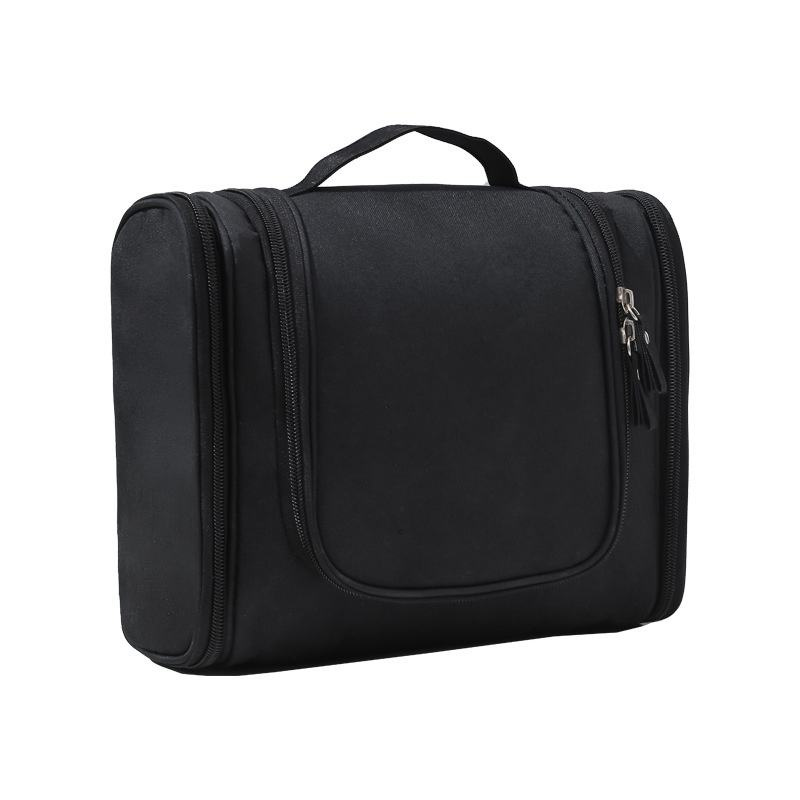
Compare material combinations for a cosmetic bag.
For a personalized toiletry or makeup bag, shortlist the complete outer-and-lining combination around the contents, care method and intended decoration. Compare candidates in the same bag dimensions with the same zipper, product set and artwork; otherwise a construction change can be mistaken for a material difference. Ask each supplier to identify the actual composition and finish behind terms such as canvas or coated fabric. Use the comparison below to decide what to sample, then select against your written acceptance criteria.
| Candidate combination | Decision to resolve | Compare before choosing |
|---|---|---|
| Cotton canvas with a separate lining | Does this composition and surface meet the desired presentation, branding and care requirements? | Review the same logo on the selected weave, check bulk where the zipper and lining meet, and compare the filled shape before and after the agreed care process. |
| Blended canvas with a specified lining | Does the proposed blend meet the same requirements as the cotton-canvas candidate? | Record the fiber percentages and finish. Compare assembled samples on the same basis; the canvas name or a higher fabric weight does not settle the decision. |
| Nylon or polyester with a specified lining | Which exact woven fabric and interior construction suit the contents and intended use? | Keep lining, pockets and zipper details consistent while reviewing outer fabrics. Check access to bottles and brushes, lining movement and the decorated surface. |
| A coated outer or coated lining | Which surface needs a particular finish or cleaning method? | Identify the backing and coating separately. Review folds, seam intersections and the proposed cleaning process on the assembled bag; assess any liquid-containment requirement across the whole construction. |
Record how the cosmetic bag sample changes in use.
Durability approval needs an agreed use scenario and a record of the actual sample. Define the contents and filled weight, how the bag is carried and opened, the cleaning method, and the acceptance criteria before comparing candidates. Record the condition before and after the agreed checks, including the location of any change. If the material or construction is revised, identify the new sample and repeat the affected checks. This review informs a purchasing decision; a casual handling check does not establish a service-life, waterproof or abrasion-performance claim.
| Area to observe | What to record | Decision before approval |
|---|---|---|
| Base, corners and seam intersections | Photograph the same areas before and after the agreed filled-bag handling; note visible distortion, opening or wear. | Resolve whether the material, seam or reinforcement needs a revision, then review the revised sample. |
| Lining and interior contact points | Record where bottle caps, brush ends or palettes contact the interior and whether the lining moves into the opening. | Adjust the lining, pocket attachment or usable clearance where the agreed product set causes a problem. |
| Zipper ends and decorated panels | Note snagging, pulling, seam distortion or a change in logo appearance during the agreed handling and care checks. | Approve the complete material, closure and decoration combination only after the recorded issues are resolved. |
Review the geometry of a barrel toiletry bag.
If your proposed design has a circular base or barrel-shaped body, assess the construction with the intended bottles inside. Compare the base join and seam finishing around the curve, check whether the opening remains usable with the lining fitted, and observe how the filled load is supported when the bag is lifted or set down. Include any handle attachment in that review. A material comparison should keep the base size, body height, opening and filled load consistent. This is a design-review checklist: confirm development feasibility and a project sample before treating a barrel construction as an available product.
| Design point | Sample question | Record in the brief |
|---|---|---|
| Circular base and lower seam | Does the base sit as intended, and does the seam show distortion with the agreed contents? | Base dimensions, contents, filled weight and any seam or support revision. |
| Opening and closure path | Can the widest item pass through the usable opening without forcing the closure or catching the lining? | Required opening, closure arrangement and packing photographs. |
| Load and attachment points | How is the loaded bag lifted, and which joins carry that load? | Intended handling, any handle attachment and the agreed complete-bag evaluation. |
Which materials are used for tote bags?
Common tote material choices include cotton fabrics, canvas, nylon and polyester. Canvas describes a fabric construction, not a guarantee of cotton content: request the fiber composition when ordering a cotton tote. Compare the outer fabric together with the lining, handles, seams and decoration. A material label alone cannot establish which finished tote will last longest.
| Route to compare | Record in the brief | Review on the finished tote |
|---|---|---|
| Cotton fabric or canvas | Fiber composition, weave, weight, finish and care method. | Filled shape, seam bulk, print detail and appearance after agreed care. |
| Nylon | Fabric specification, coating if any, lining and handle reinforcement. | Seams, handle attachments, surface wear and decoration on the selected fabric. |
| Polyester | Fabric specification, finish, lining and decoration process. | Filled carry, seam finishing, color transfer and the agreed care process. |
How do you choose a durable multipurpose tote material?
Shortlist materials against the intended contents, carrying load, frequency of use and cleaning method. Then compare assembled samples using the same agreed checks for seams, handle attachments, abrasion, color transfer and any closure. Record the conditions and acceptance criteria before testing. A heavier fabric or higher denier does not by itself make the complete bag more durable. These are selection criteria; they are not a tested ranking of the best materials.
Specify lining and reinforcement separately.
The outer material and lining do not have to be the same. Describe the lining contact surface, interior pockets, padding, binding and reinforcement at handles or straps. Check whether the contents catch on seams or whether the lining restricts usable space. Request a sample assembled with the proposed combination; a loose fabric swatch does not show how the finished bag will behave.
Evaluate decoration on the actual surface.
Provide the logo at its intended size and discuss printing, embroidery, labels or patches against the selected material. Review fine lettering, texture, placement, color and how the decoration changes when the bag is filled or folded. Do not assume a logo approved on one fabric will look identical on another. Link the artwork revision to the material revision in the sample record.
Define the cleaning and performance requirement.
Describe the cleaning method and the actual exposure expected during use. If water resistance, color transfer, abrasion or carrying load matters, agree the test method and acceptance criteria before production. Coated fabric does not by itself establish a waterproof finished bag: seams and closures also matter. Request model- and material-specific evidence before making a customer-facing performance claim.
Compare total construction cost.
Ask for the same dimensions, lining, hardware, decoration and packaging when comparing materials. Check whether a fabric change affects the minimum color quantity, lead time or sample work. Consider shipping format as well as the unit price. Retain the original requirements so a cost-saving alternative is assessed against the intended use, not only its appearance.
Keep an approval record for repeat orders.
Save the dated specification, swatch identifier, artwork file, approved sample photographs and written inspection requirements. Record substitutions and agree how they are approved. A repeat order should identify the approved revision and any changed quantities or destinations; it should not rely on a product name alone.
Compare packaging contact, carrying and thermal requirements separately.
A gift pouch, backpack and insulated bag ask different things of their layers. Use the application table to set the evidence required for the material proposal. A material name is a starting description; retain the actual swatch, construction revision and agreed check with the sample.
| Application | Define the material | Check the finished sample |
|---|---|---|
| Fabric gift and dust packaging | Composition, weight, surface finish, lining and cord. | Product fit, coverage, lint, color transfer and opening access. |
| Jewelry pouch | Contact surface, pile or finish, lining and closure. | Snagging, separation and contact with the actual jewelry finish. |
| Backpack or duffel | Outer, backing or coating, lining, reinforcement and webbing. | Loaded access, seams, strap anchors, decoration and agreed care. |
| Cooler bag | Outer, insulating layer, liner, joins and closure. | Temperature performance under a recorded whole-bag test, plus separate liner and cleaning checks. |
| Tool bag | Outer, lining, base and reinforcement at wear points. | Tool retention, access and agreed load and repeat-use requirements. |
Are leather tool pouches more durable than fabric ones?
Not as a general rule. Leather thickness, finish and construction differ; fabric fiber, weave, coating and reinforcement differ too. Compare complete pouches with the same tool kit, carrying load, contact points and care requirements. Check pocket edges, seams and attachments and agree the relevant wear test. A material label cannot rank finished-pouch durability without matched evidence.
What evidence supports an environmental claim?
For a canvas or cloth tote, request the exact composition and evidence for the particular claim you intend to make, such as a stated recycled content. Check what product, material batch and scope any documentation actually covers. Reusable, natural-looking or cotton construction alone does not establish an overall environmental advantage. Keep unsupported environmental claims out of the artwork and product description.
| Material route | Specify in the brief | Check on the assembled sample |
|---|---|---|
| Canvas | Composition, weight, finish and handle construction | Filled shape, seam bulk and logo appearance |
| Nylon or polyester | Composition, weave, lining and any coating | Pocket access, seam construction and decoration |
| PU-coated material | Backing, surface finish and thickness | Folds, edge finishing and proposed care method |
| Clear film | Material, thickness, binding and closure | Clarity, flexibility and finished seam construction |
Download the sample approval checklist
Continue your project
- Compare cosmetic bag references
- PVC cosmetic pouch requirements
- Denim customization requirements
- Compare tote bag constructions
- Canvas bags
- Nylon bags
- PU leather bags
- TPU pouch specifications
- Tyvek bag material and construction
- Plan logo placement
- Fabric gift packaging specifications
- Jewelry pouch fit and lining
- Backpack material and logo review
- Cooler construction and test brief
- Tool bag specification
