
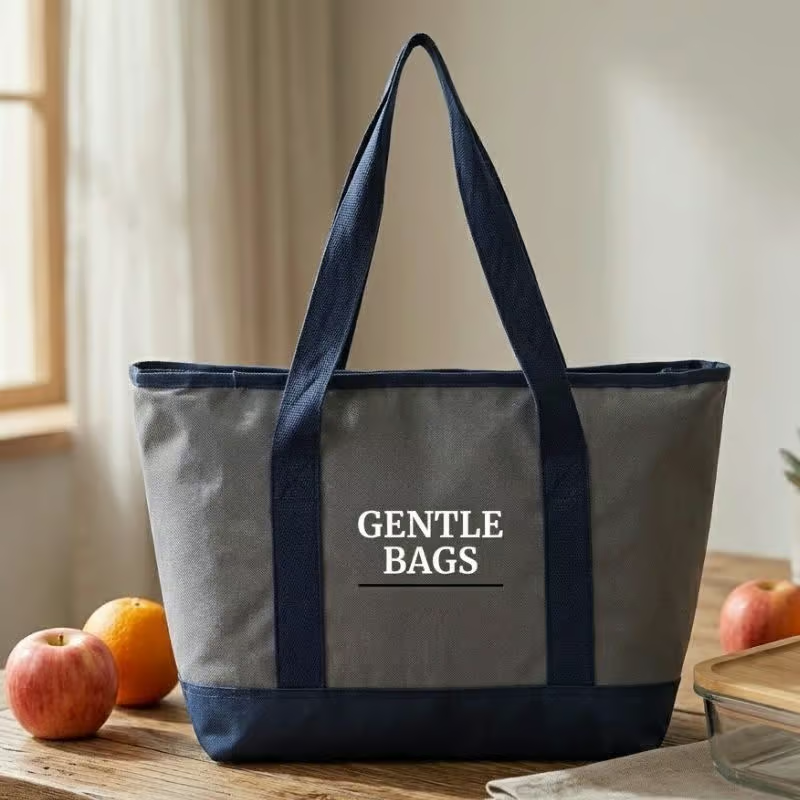
The full collection
Find your starting point.
Browse by material, application or shape. Then develop the dimensions, construction and branding around your brief.
38 collections
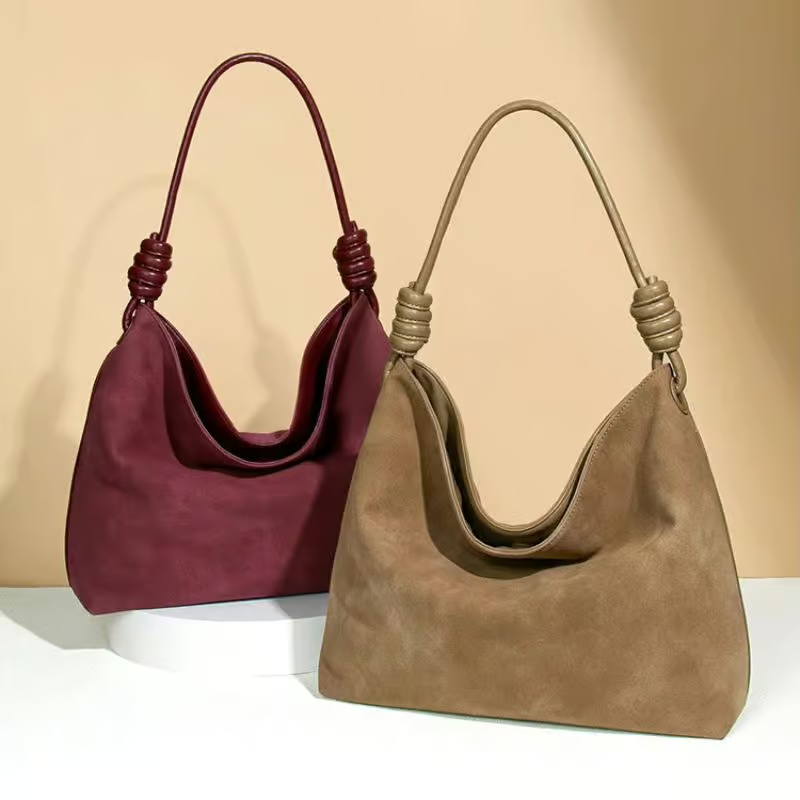
Suede Bags
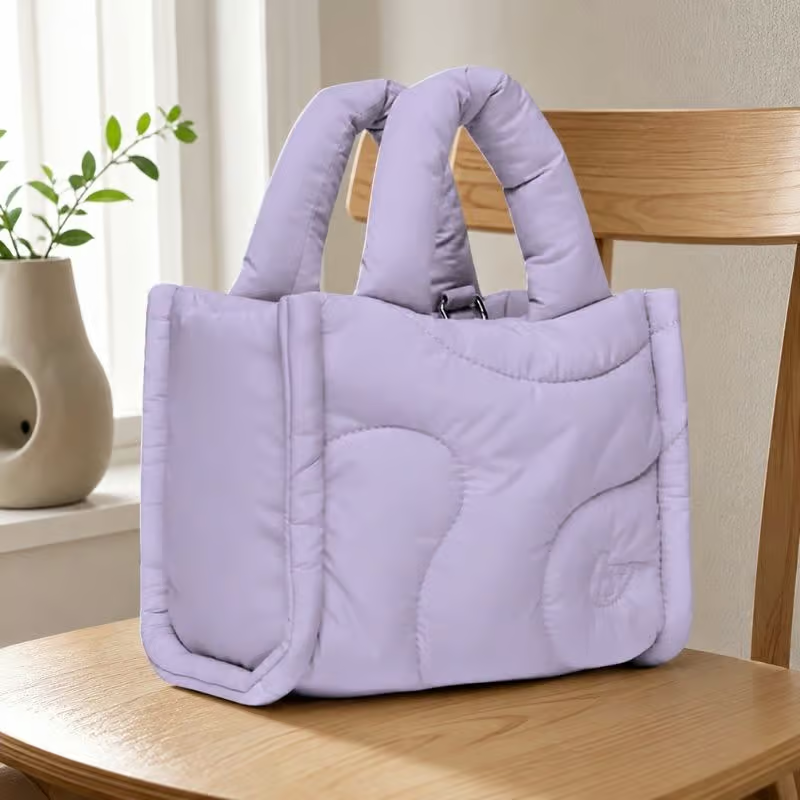
Nylon Bags
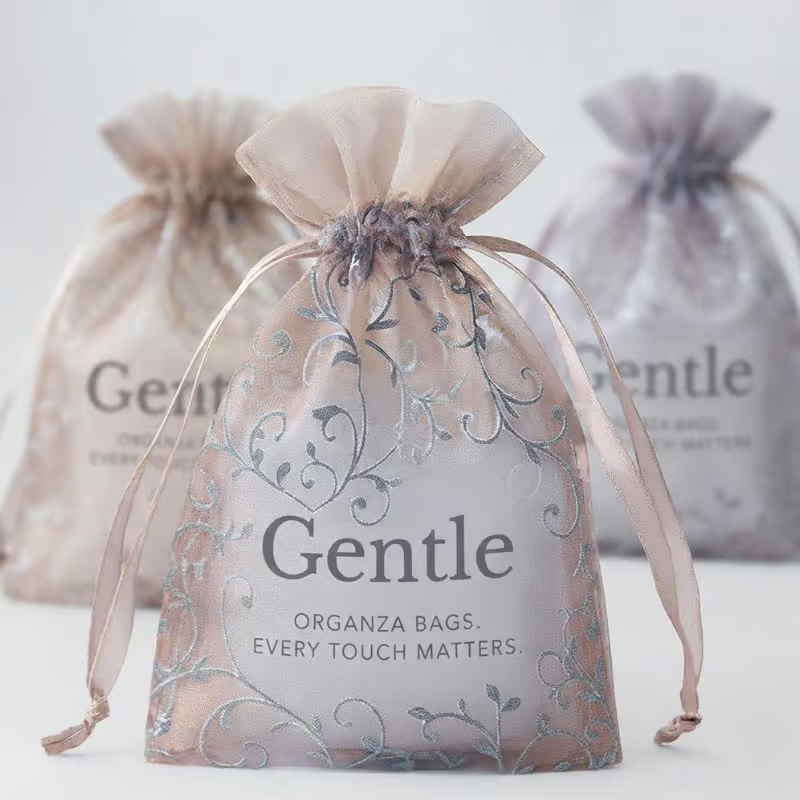
Organza Bags
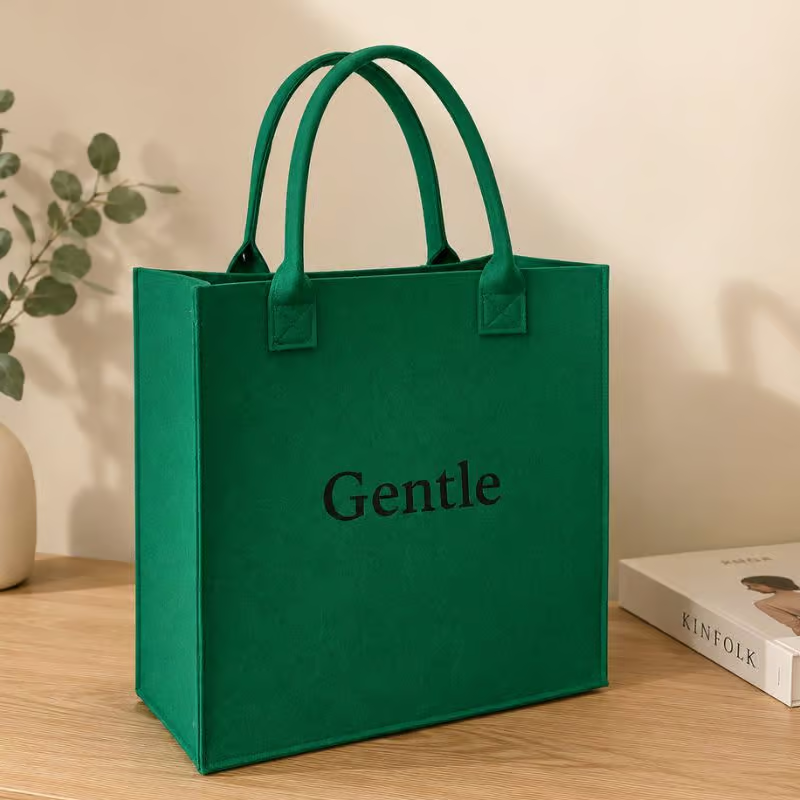
Felt Bags
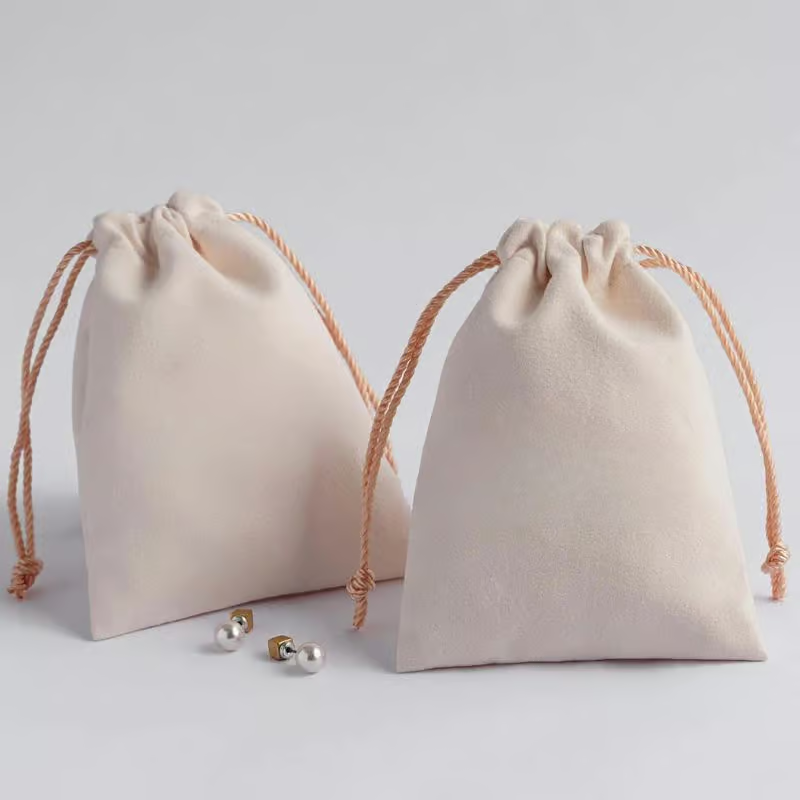
Canvas Bags
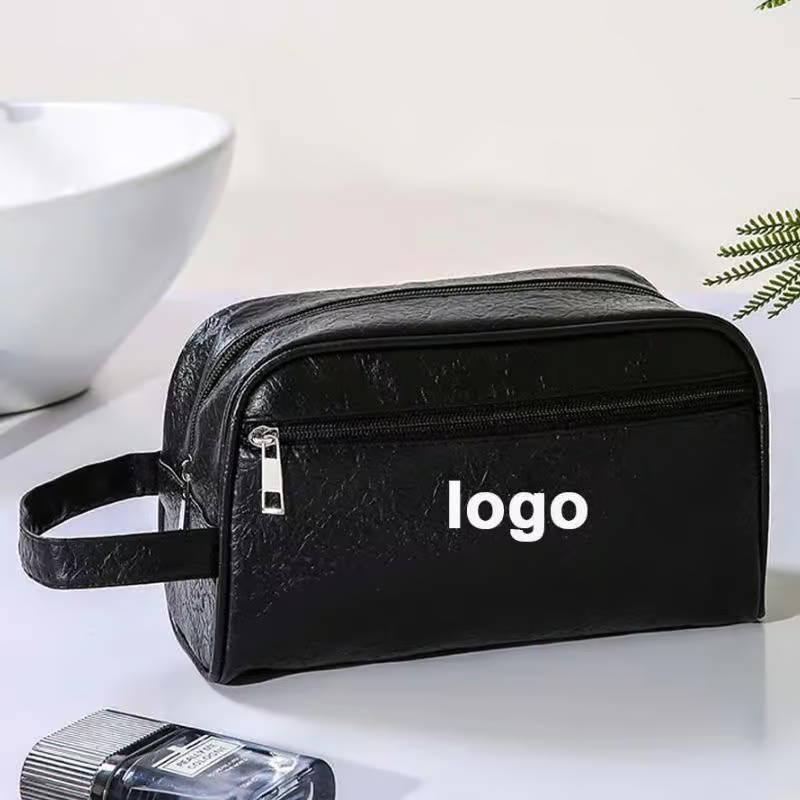
PU Leather Bags
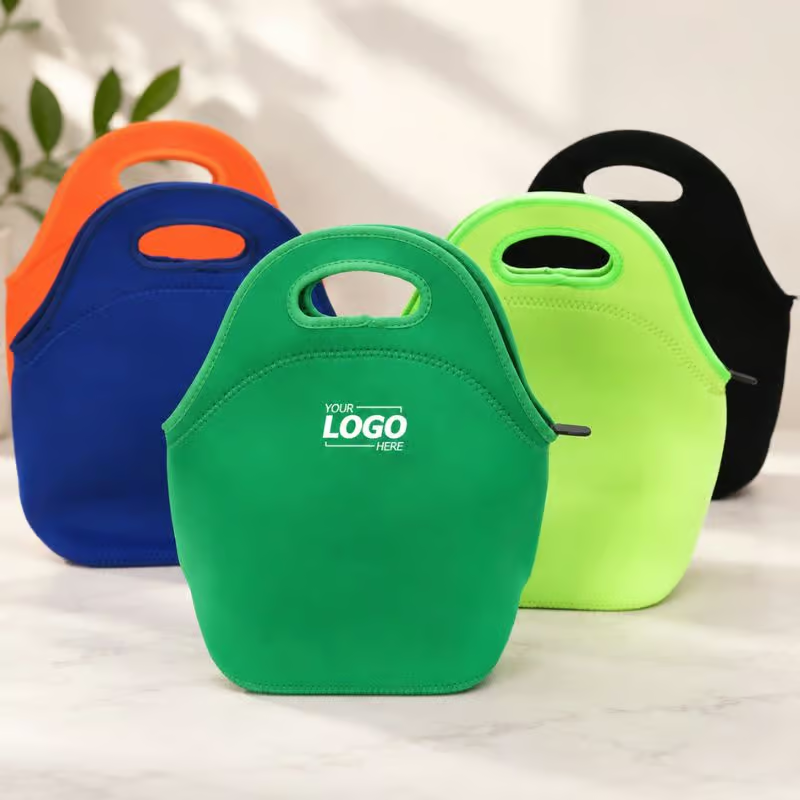
Neoprene Bags
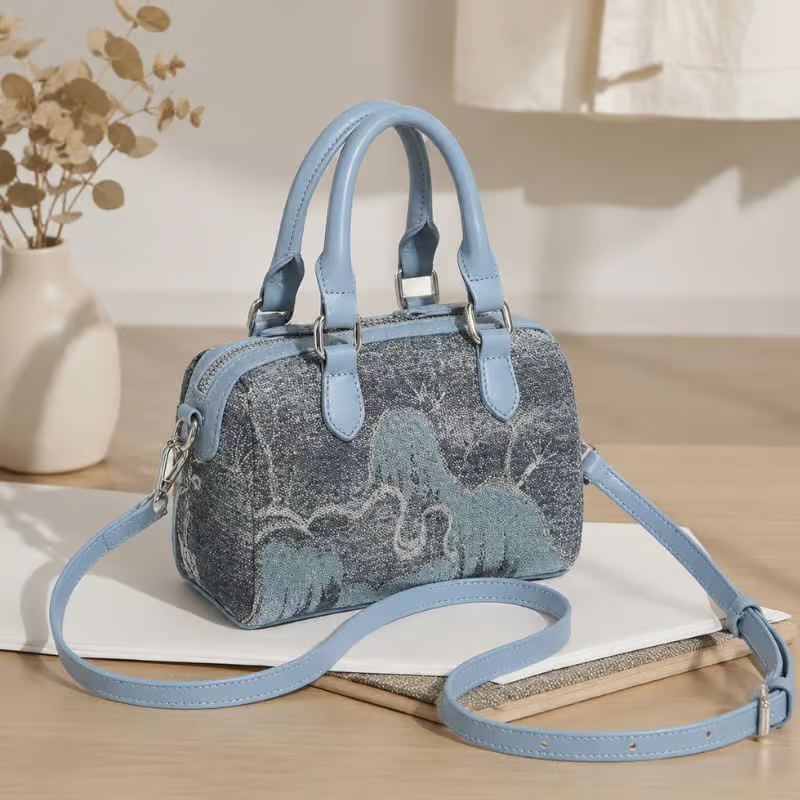
Denim Bags
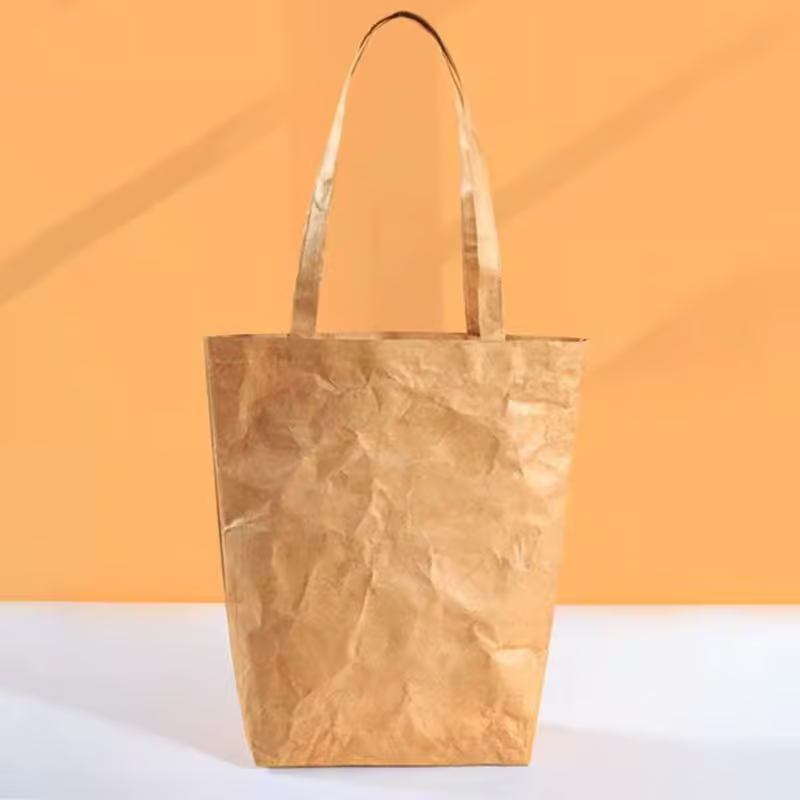
Tyvek Bags
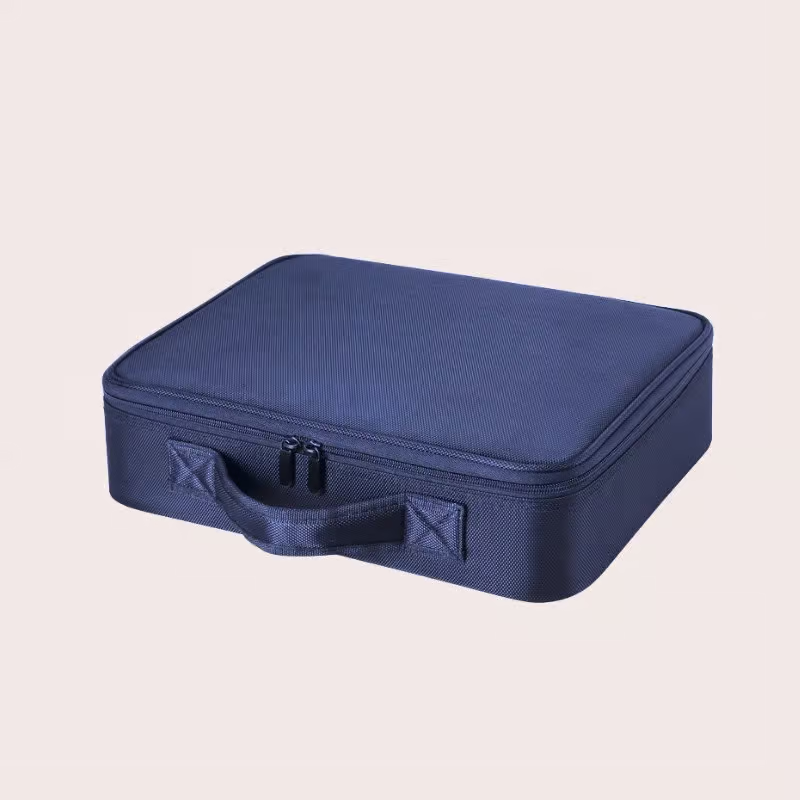
EVA Bags
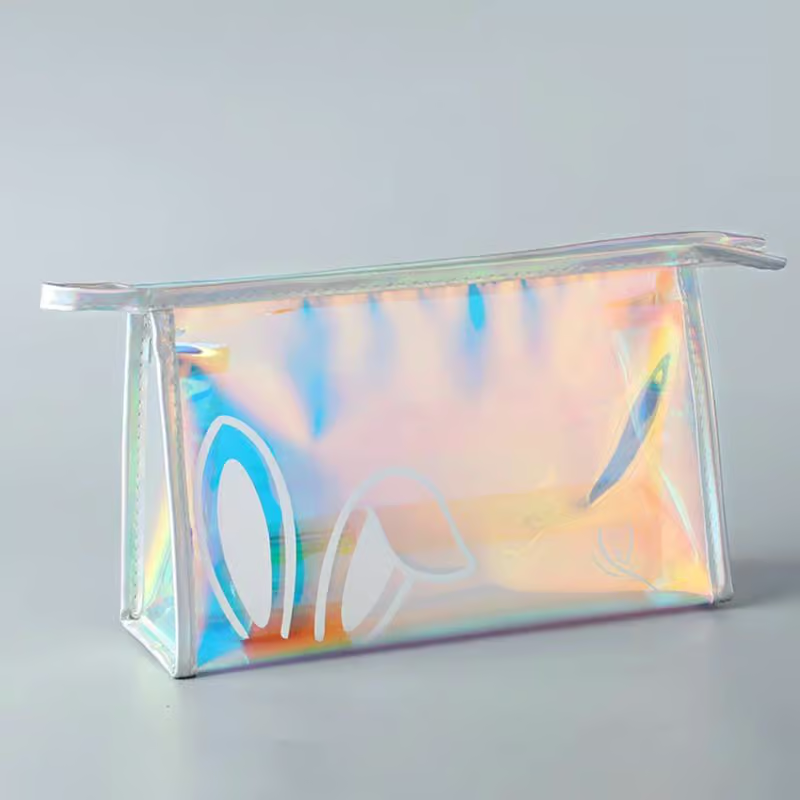
TPU Bags
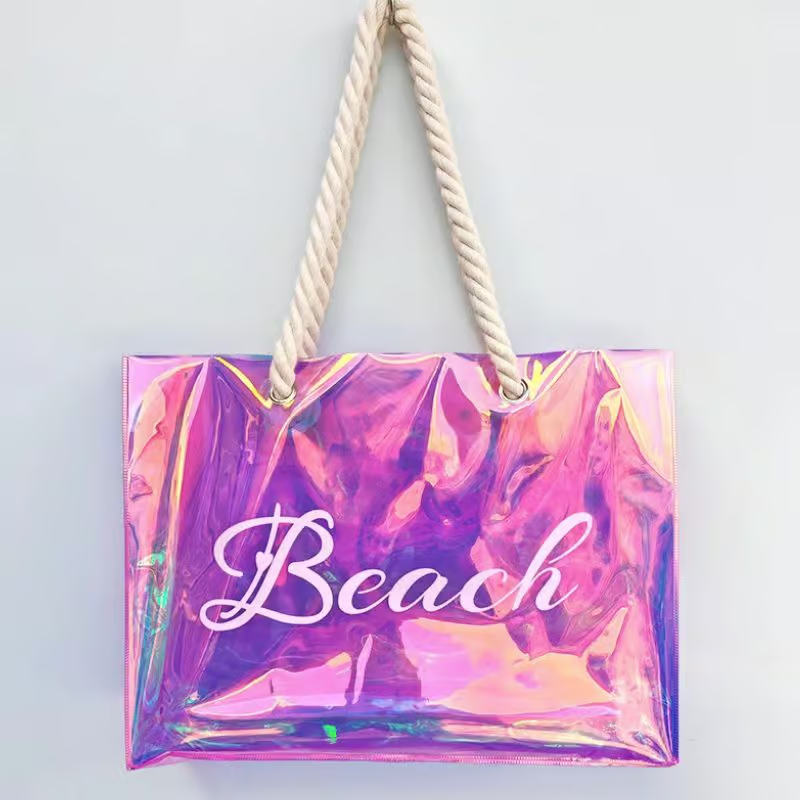
PVC Bags
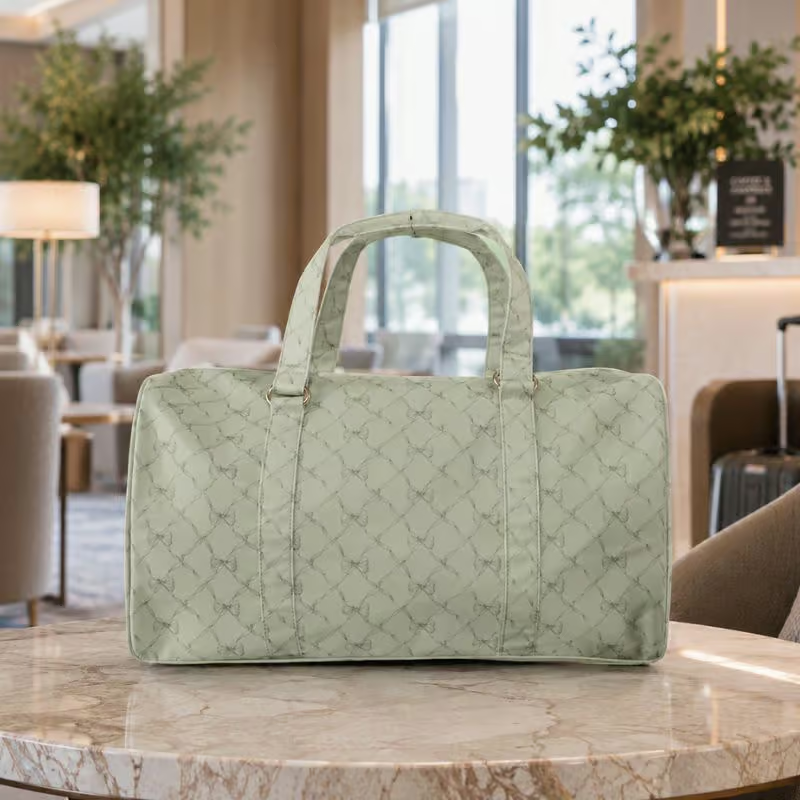
Travel Bags
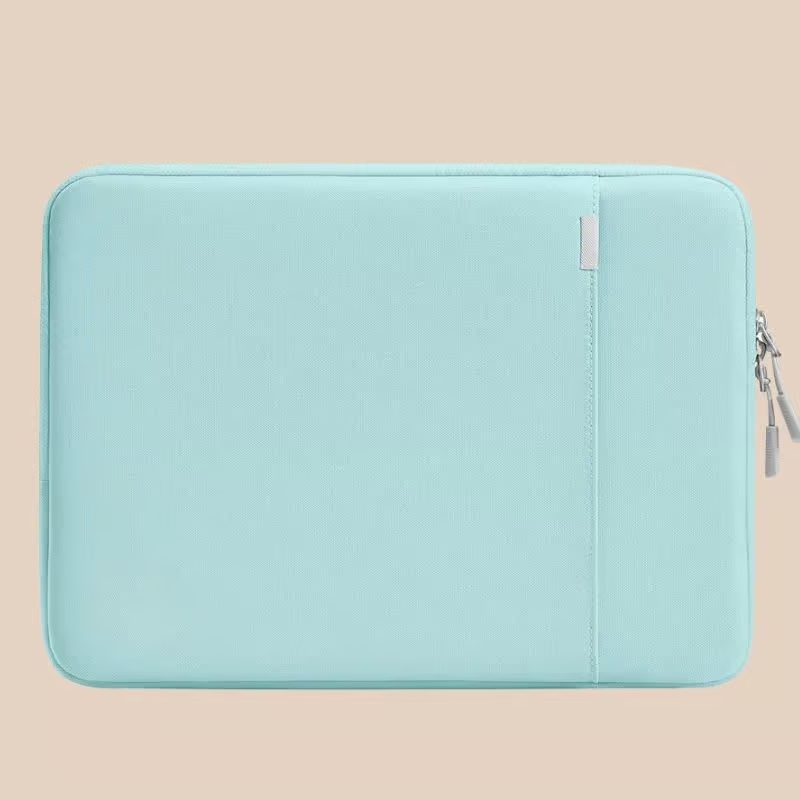
Laptop Bags
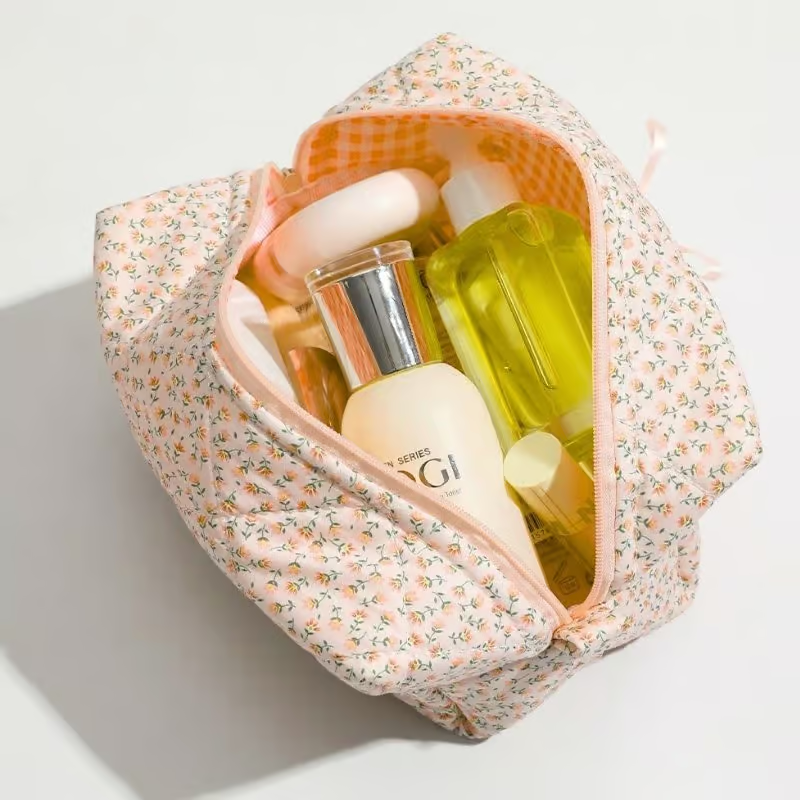
Makeup Bags
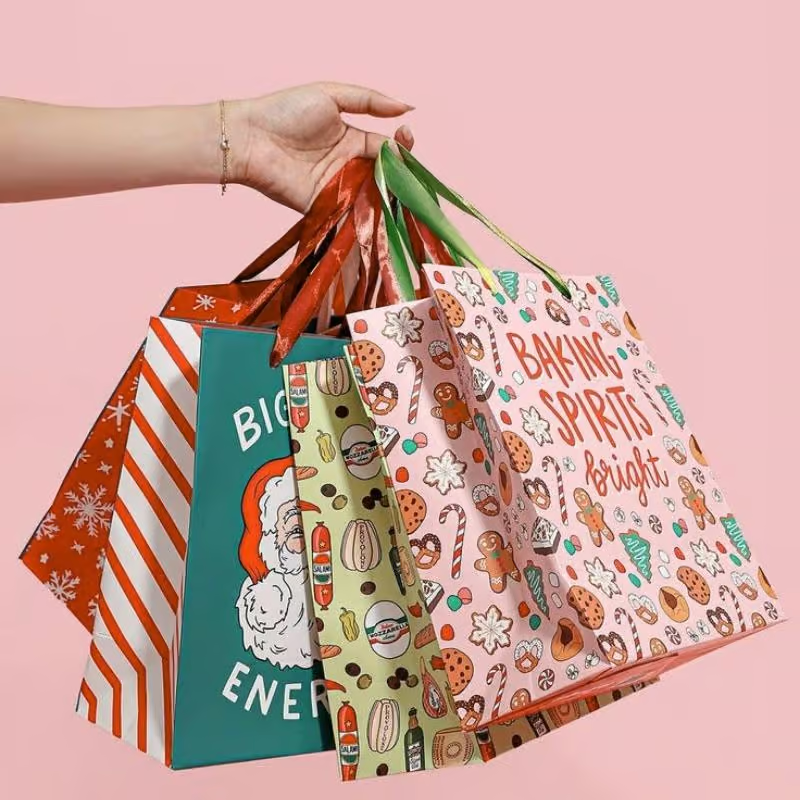
Gift Bags
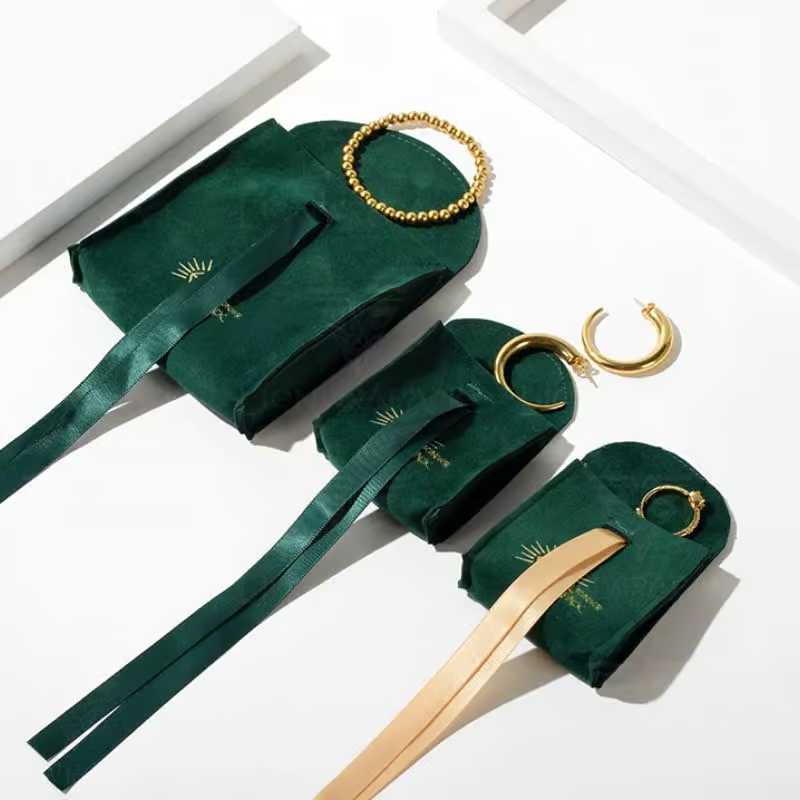
Jewelry Bags
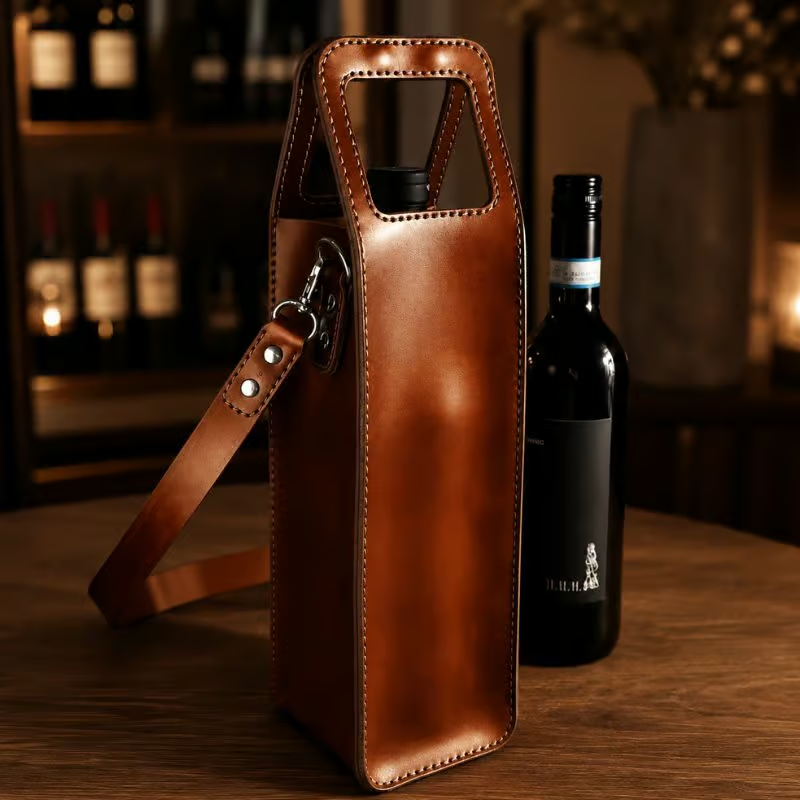
Wine Bags
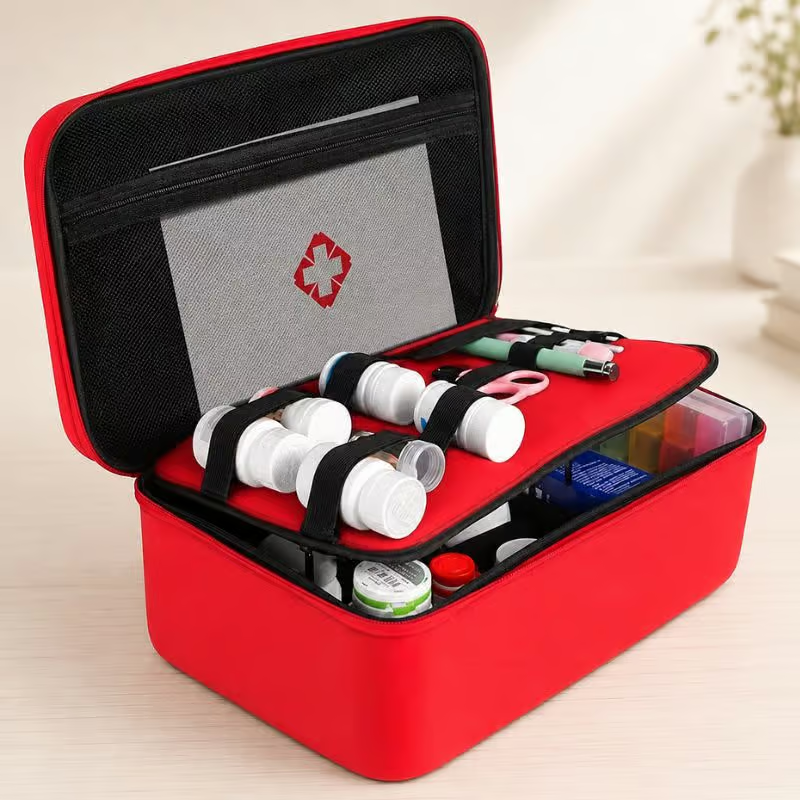
Medical Bags
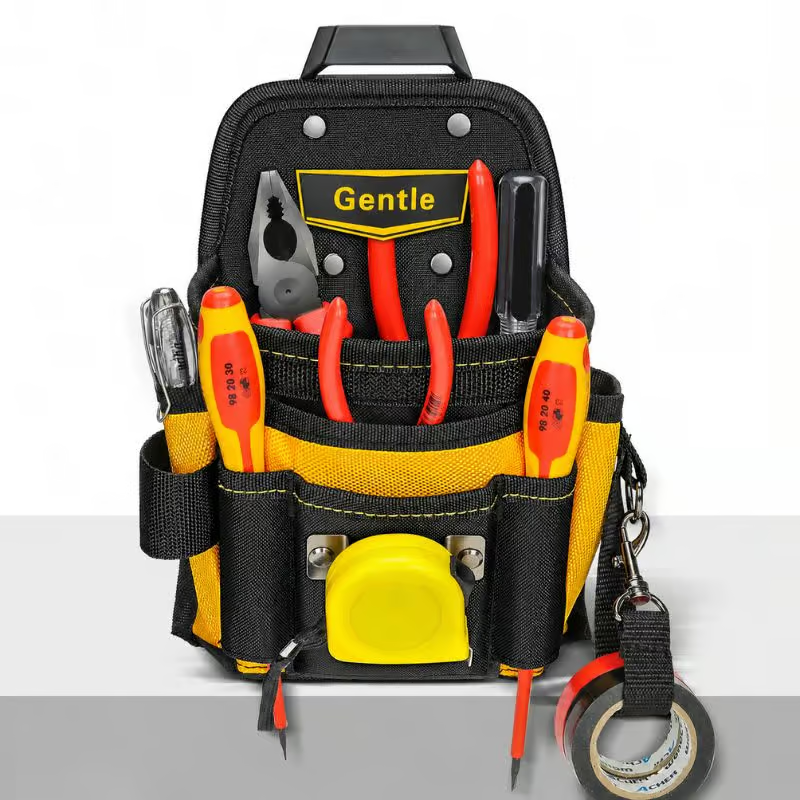
Tool Bags
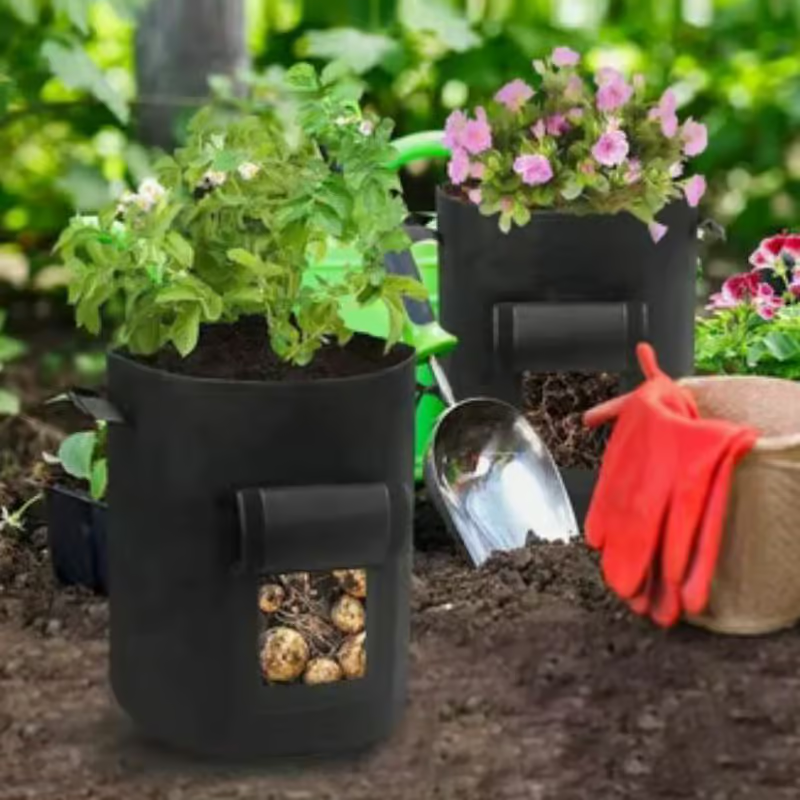
Grow Bags
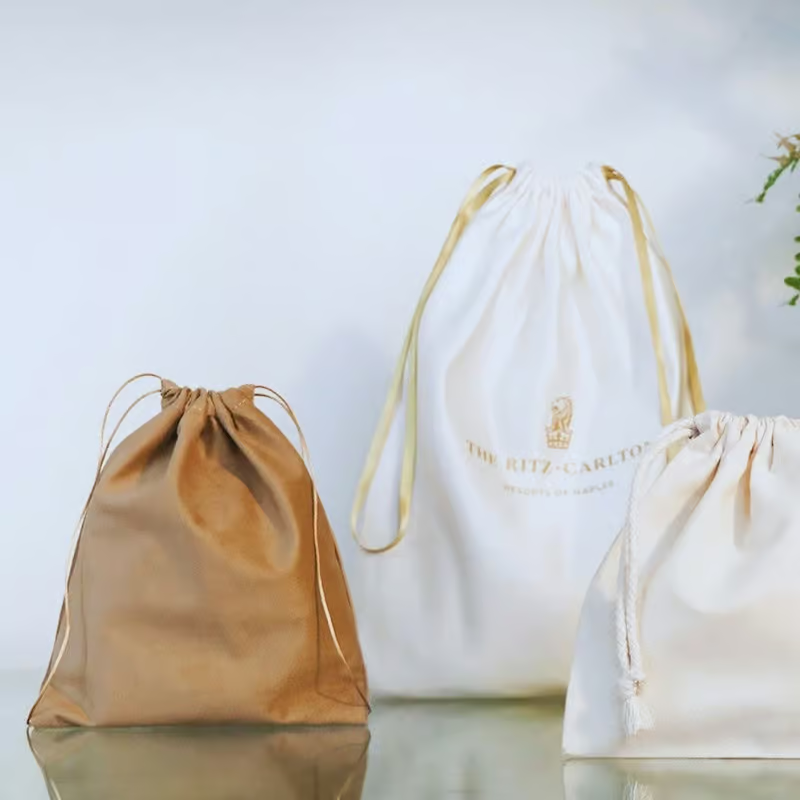
Dust Bags
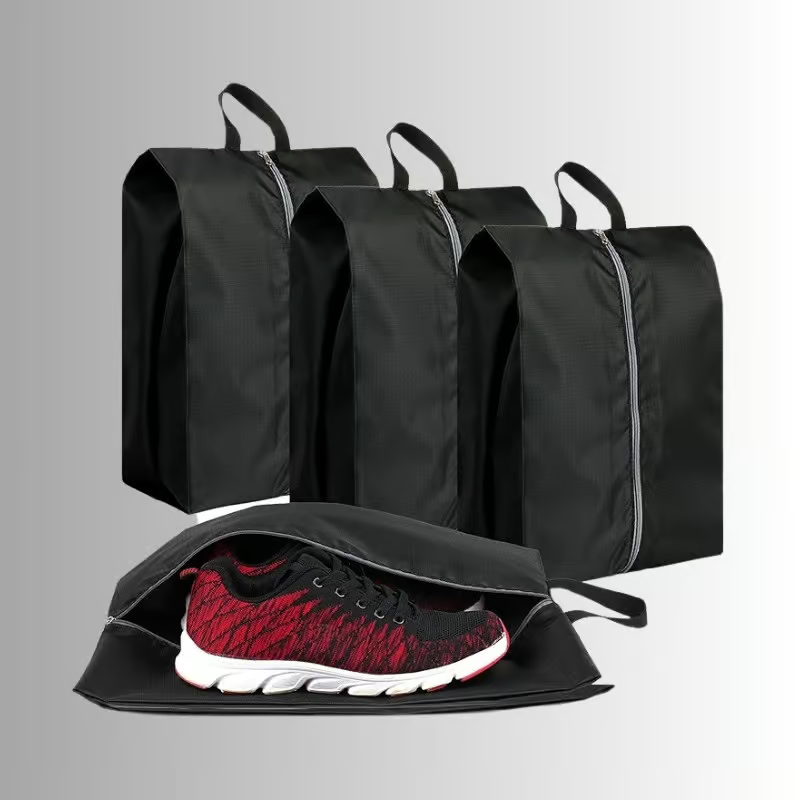
Shoe Bags
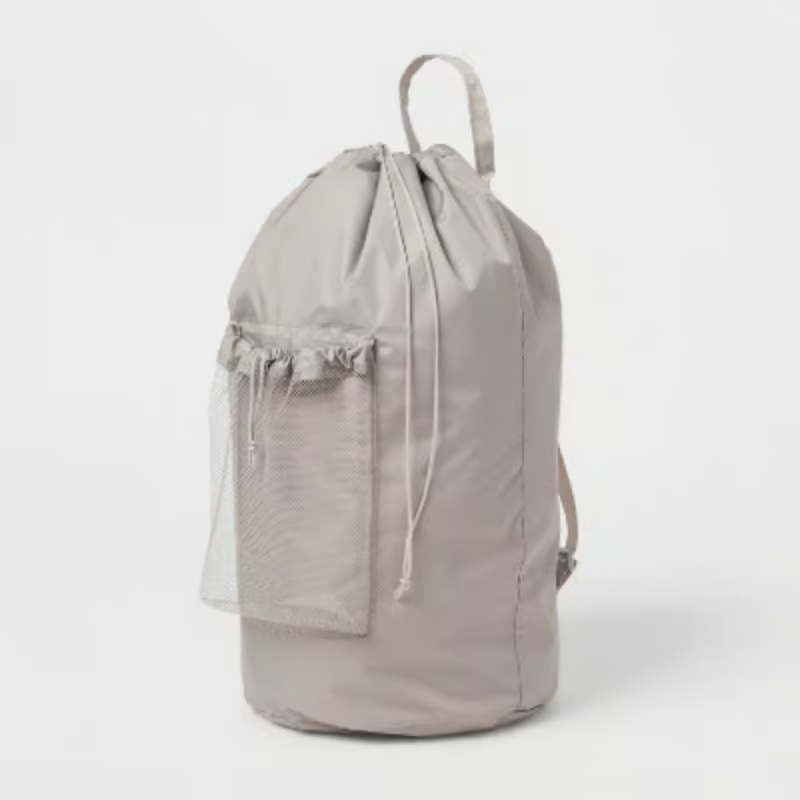
Laundry Bags
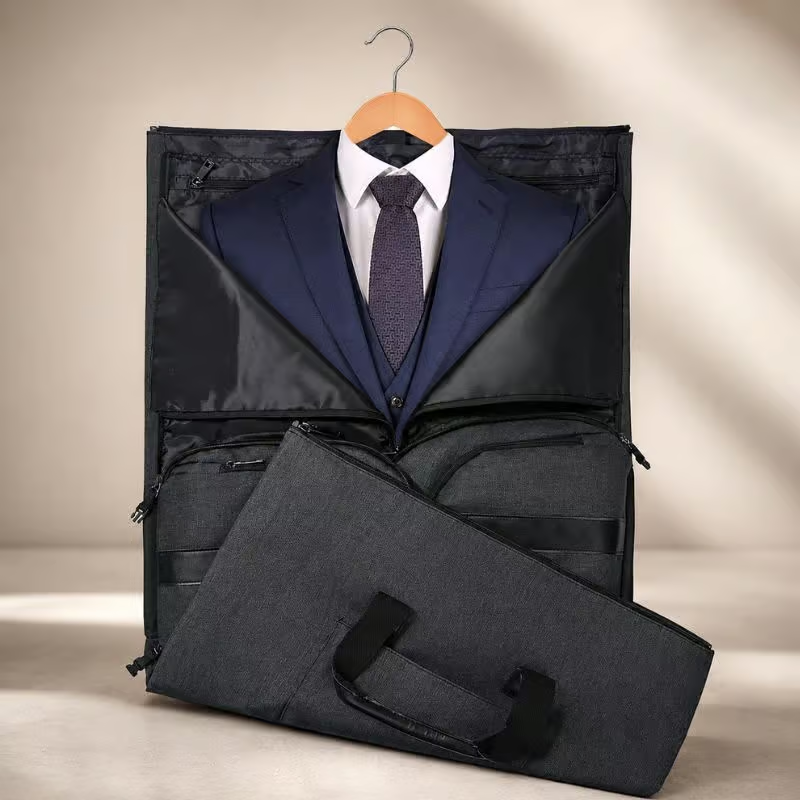
Garment Bags
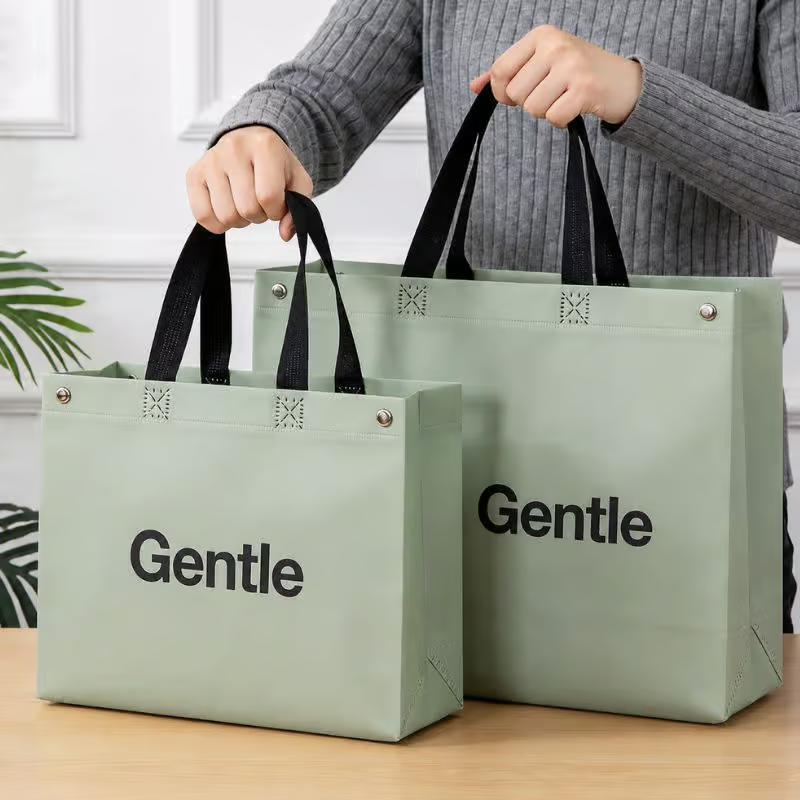
Grocery Bags
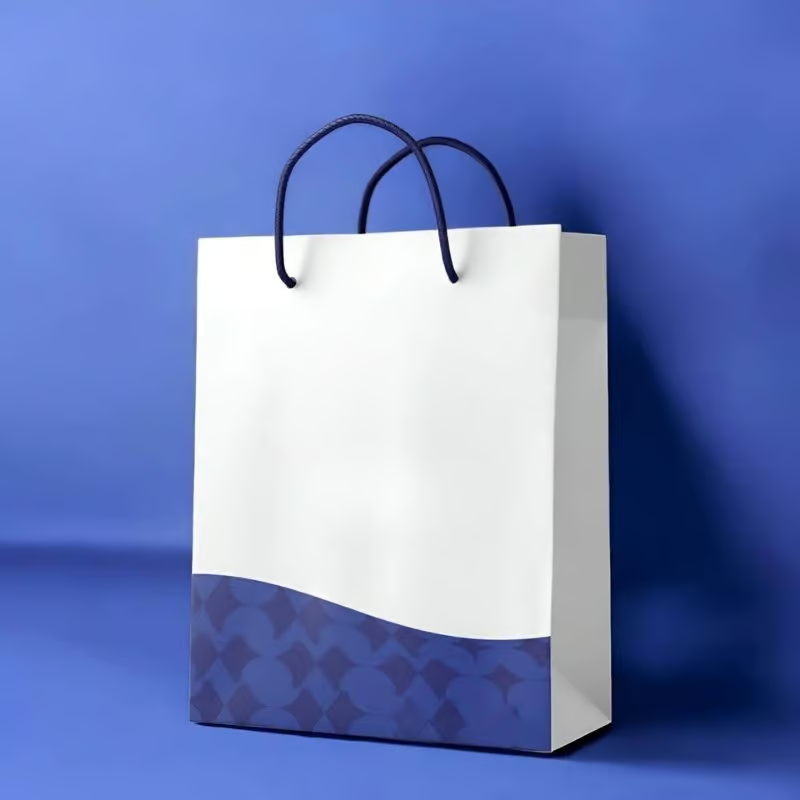
Promotional Bags
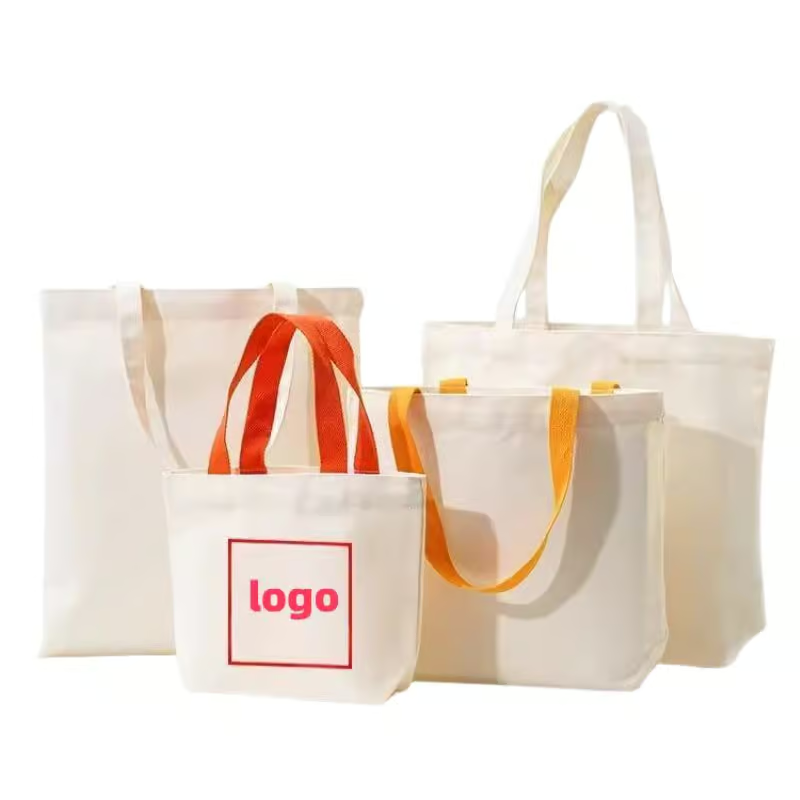
Tote Bags
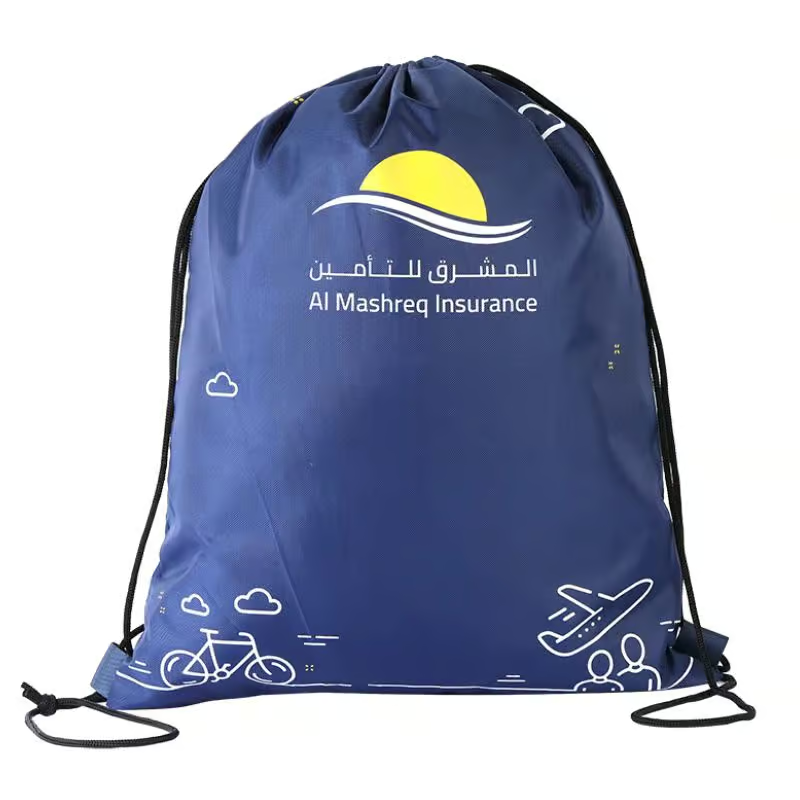
Drawstring Bags
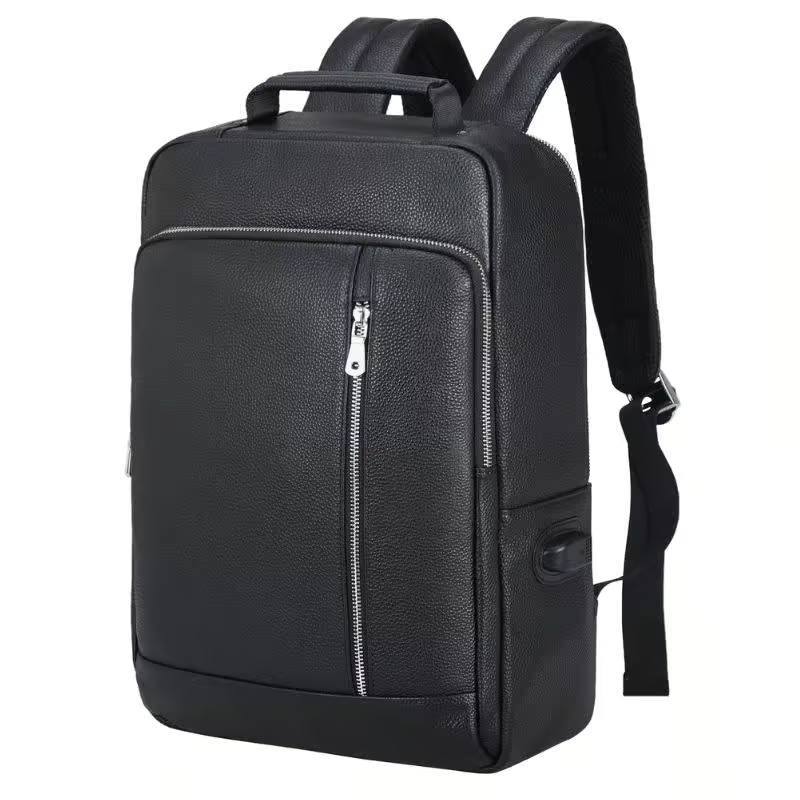
Backpack Bags
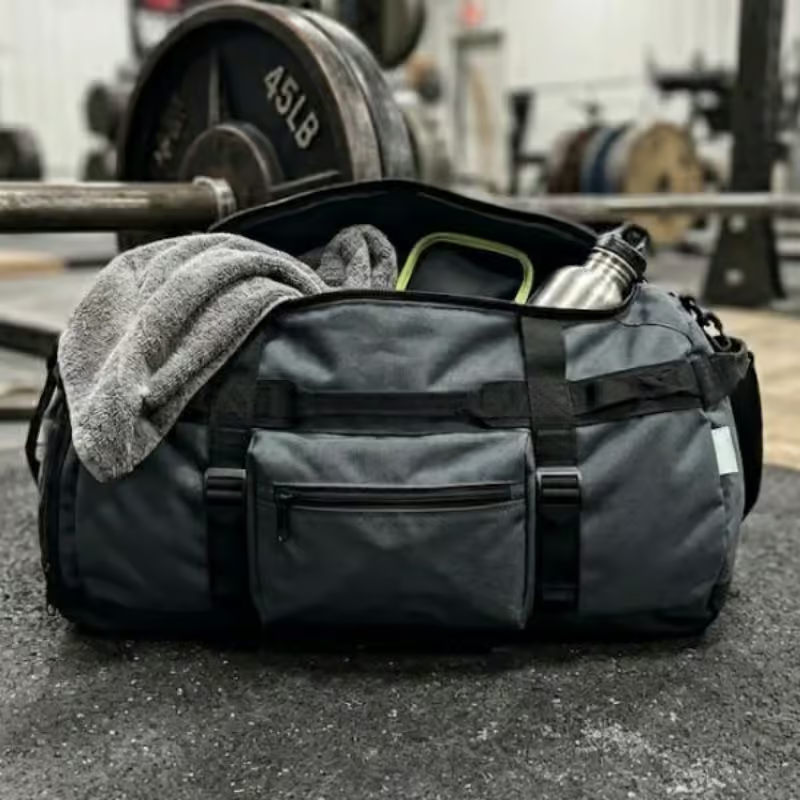
Duffel Bags
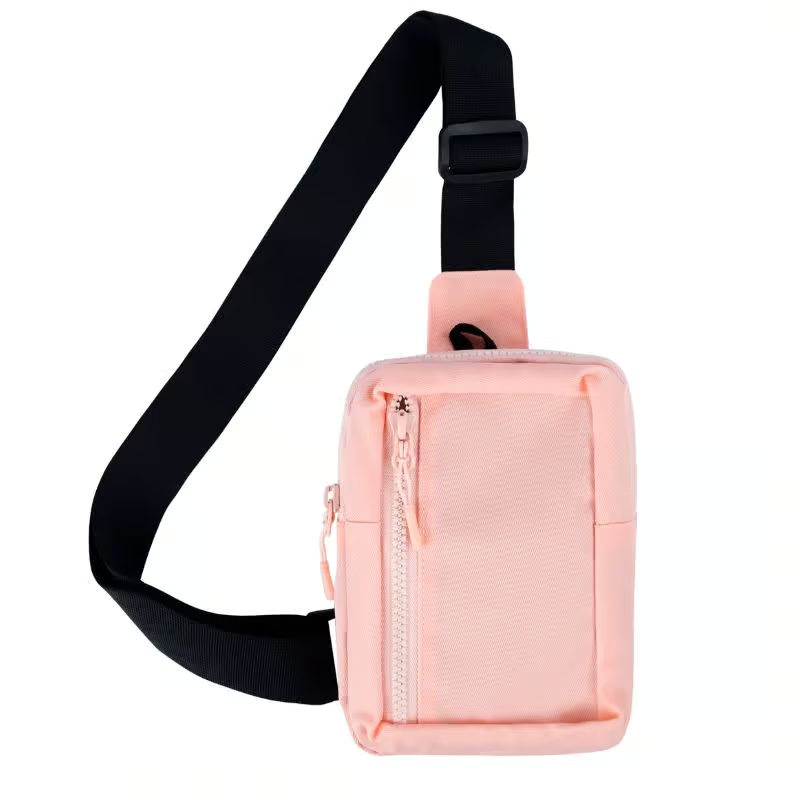
Crossbody Bags
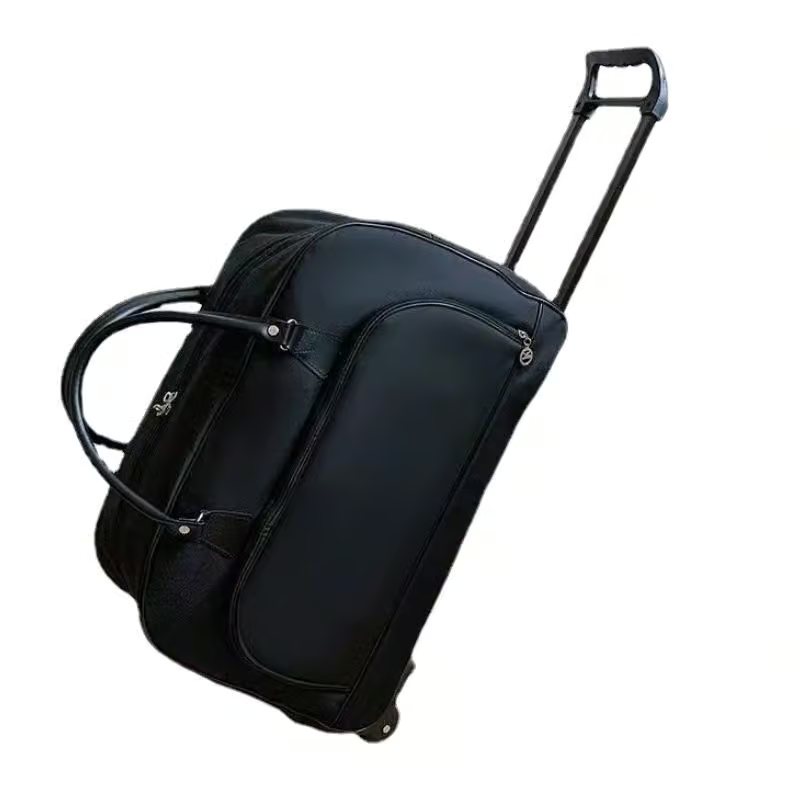
Rolling Bags
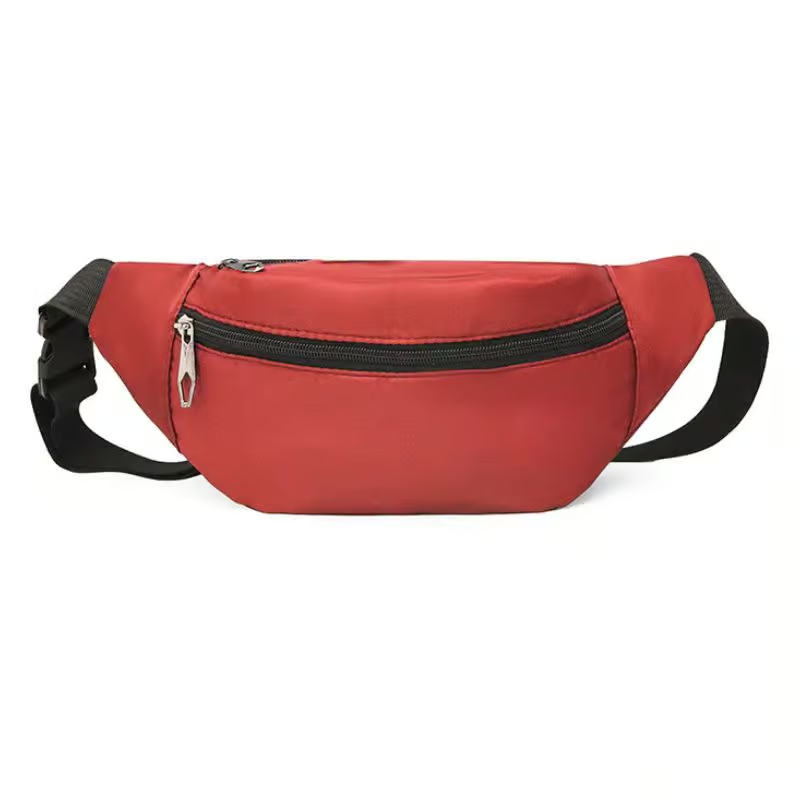
Belt Bags
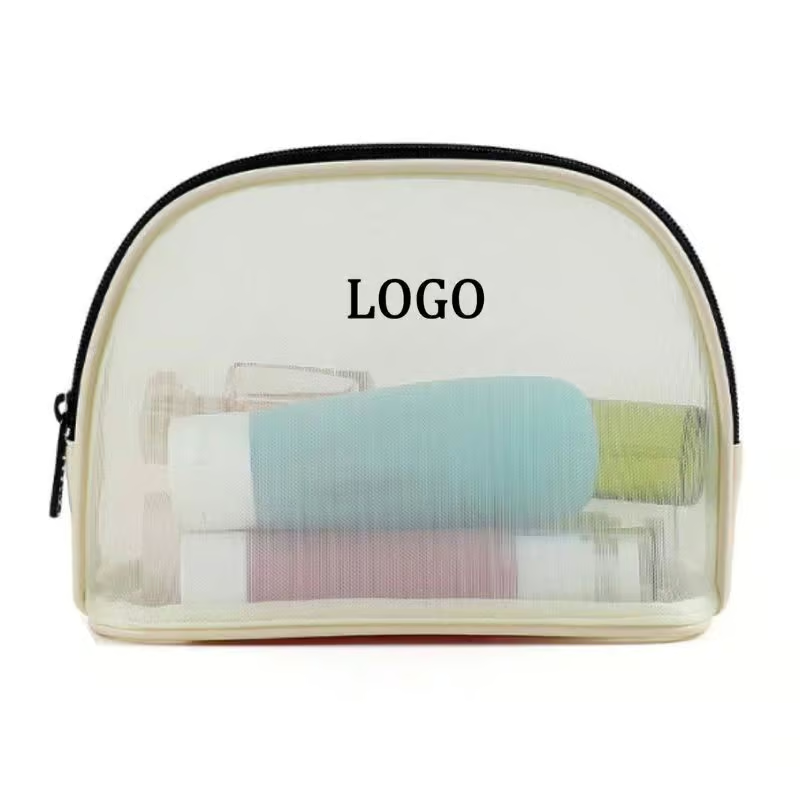
Mesh Bags
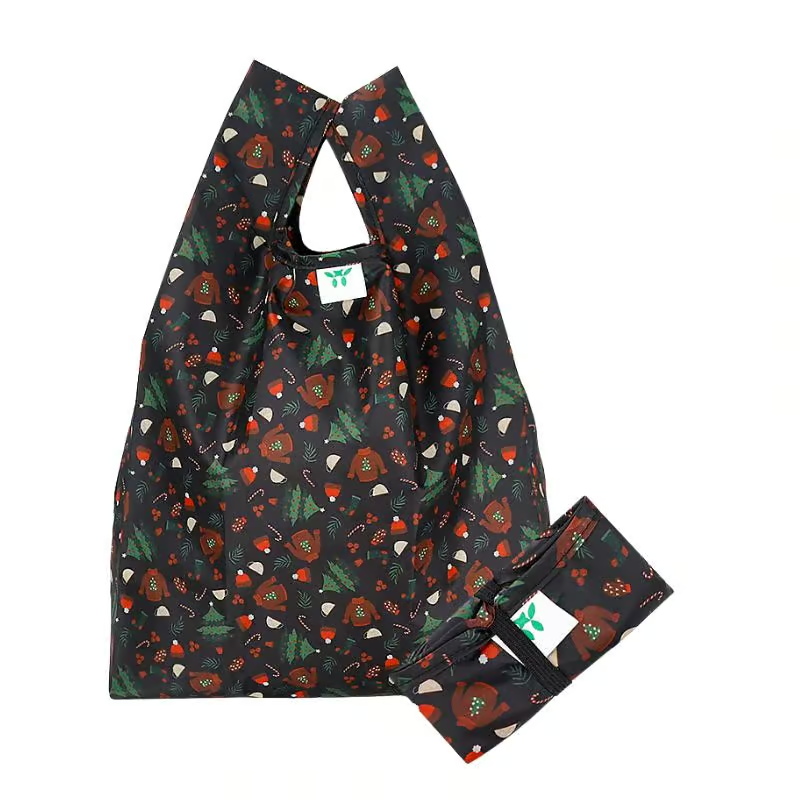
Foldable Bags
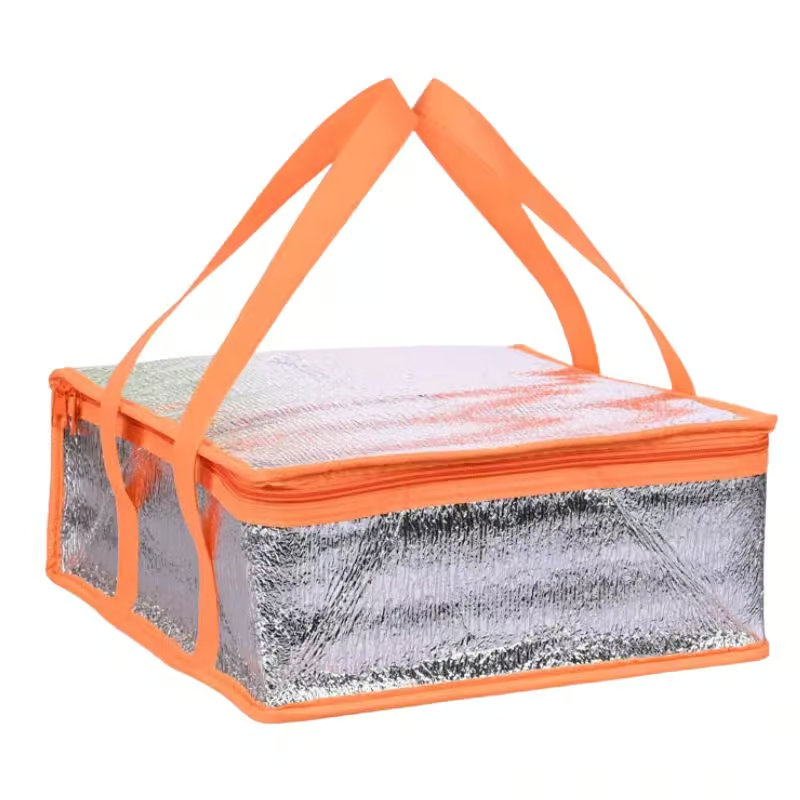
Insulated Bags
Plan your custom bag order
Choose a collection around your product.
These collections are development starting points for OEM/ODM and private label projects. Use the filters to compare bag formats, materials and applications, then open a collection to review its sourcing details.
Start with what goes inside.
List the products, tools or personal items the bag must hold, including their packed dimensions and weight. Cosmetic pouches need an opening that makes bottles and brushes easy to reach. Totes need suitable handle length and carrying capacity. Travel bags may need separate pockets, padding or reinforced attachment points. Choose the shape before finalizing decoration. For a backpack reference, review the CR1741-1 polyester backpack specifications.
Compare materials in use.
Review the outer fabric, lining and finish together. Canvas, nylon, Oxford and PU leather create different textures and structures; the material name alone does not define performance. Specify thickness or fabric weight where needed, and discuss cleaning, color transfer and moisture exposure. Request a physical material sample to check the feel and appearance against your collection.
Define branding and variants.
Share the logo artwork, finished logo size and preferred placement on each panel. Confirm printing, embroidery, labels or other decoration against the selected surface. List quantities separately for every design and color, then add individual packaging, barcode labels and carton requirements. This makes it easier to compare quotations on the same specification.
Approve before production.
Confirm the minimum quantity for your chosen model, material and decoration in the quotation. Agree sample fees, revisions and a production schedule separately from shipping. Check the sample dimensions, closures, seams, artwork and packing before approval. A target arrival date and destination help define the delivery plan without assuming every collection has the same lead time.
Ready to compare options? Prepare a custom bag brief · Compare bag materials · Discuss your project
Made around your ideaYour next collection starts
Your next collection starts
with a conversation.
Tell us the style, quantity and finishing details you have in mind. Bring a sketch, a reference sample, or simply a starting point.
