Define the brief
Set the purpose, dimensions, order quantity and target date. Share references for the look and function.
Develop custom backpacks with logo, compartment and material requirements. Compare a catalog reference and prepare your OEM or private label sourcing brief.
Map the main contents to compartments before setting capacity. Review shoulder-strap adjustment, padding and access with a loaded sample.
| Format | Typical brief | Sample focus |
|---|---|---|
| Daypack | Everyday essentials and branded merchandise | Check opening access, strap range and packed comfort. |
| Device backpack | Work accessories and commuter collections | Use actual device dimensions; check padding and charger storage. |
| Travel backpack | Clothes and accessories for short trips | Review filled dimensions, pocket access and strap attachments. |
A backpack reference for daily-carry and branded travel projects. Define the contents, usable opening, strap adjustment and logo placement before approving a sample.
Reference size: 43 × 28 × 11.5 cm. View the style for the catalog MOQ and details to reconfirm.
View style & specifications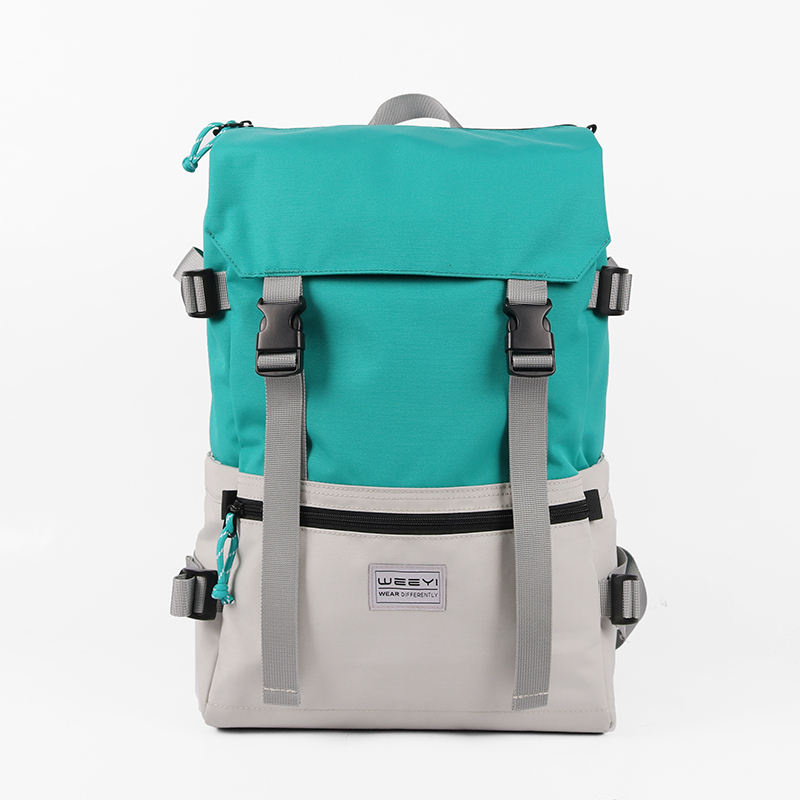
For a custom backpack manufacturer quotation, identify the kit, wearer, carrying conditions and branding. The CR1741-1 polyester backpack is an existing catalog reference, not a specification for every sports or event design. Confirm requested changes and their effect on the sample, minimum quantity and price.
| Decision | Specify and check |
|---|---|
| Daily or event kit | List devices, clothes, bottles and giveaways with their dimensions. Place frequently used items where they remain accessible when the bag is full. |
| Team or sports use | State the equipment and any need to separate footwear or damp items. Review compartment feasibility, cleaning and usable space on one loaded sample. |
| Material selection | Compare the exact nylon, polyester or canvas proposal, backing and lining. Review construction, weight and care needs together; fiber names do not prove durability. |
| Logo or monogram | Send final artwork, name list if applicable, size and placement. Confirm whether every unit is identical or has a different name, and verify each approved version. |
| Carry and approval | Specify strap adjustment, back padding and intended load. Check attachments, zipper access, comfort and decoration on the assembled sample. |
The right quotation begins with a shared understanding of the product. These details help define the sample and production brief.
| Dimensions & material | Specify finished dimensions, outer fabric, lining and reinforcement; approve these on the sample. |
|---|---|
| MOQ by reference style | CR1741-1: 100 pieces. Catalog starting quantities apply to the stated reference styles; confirm each color, logo and material combination. |
| Sampling | CR1741-1: 5–7 days in the catalog, subject to artwork and modification review. Confirm sample fees, revisions and courier time separately. |
| Bulk production | Confirm the production start and dispatch date in the quotation after the specification, sample approval and payment requirements are agreed. Freight and customs are separate. |
| Packing | Confirm individual protection, folded dimensions, units per carton, carton size and weight, labels and carton marks. Request an agreed packing list. |
| Quotation & payment | Request itemized unit price, sample and tooling charges, payment milestones, quote validity and the named delivery term and place. |
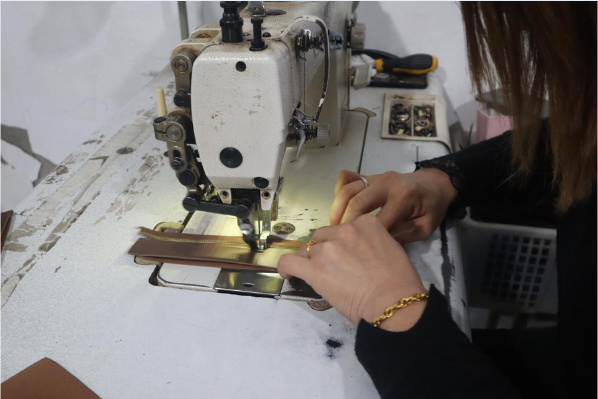
CarryFoundry is the custom bag brand of Dongguan Changrong Handbag Co., Ltd., based in Dongguan, China. We coordinate OEM/ODM development, sampling and production around your brief.
Set the purpose, dimensions, order quantity and target date. Share references for the look and function.
Choose materials, structure, logo placement and packaging. Turn the idea into a specific development brief.
Check the material, construction and decoration on a physical sample. Confirm revisions before production.
Agree the quality checks, packing requirements and shipping plan against the approved specification.
The details that help turn an idea into a clear production brief.
No. Provide device width, depth and thickness, including a protective case if used. Confirm the internal sleeve and usable opening on the sample.
Discuss the pocket layout, closures, labels and artwork together. Confirm the revised material, MOQ and sampling requirements before approving changes.
List the kit for each recipient and the quantity per color, logo or name. Choose a reference design, identify pocket changes and provide the artwork files. Approve the decorated and packed sample, the recipient-version list if used, and carton labels. Work backward from the event arrival date through approval, production and transport; confirm dates in the quotation.
Compare proposed fabrics using the same bag dimensions, load, lining and artwork. Review surface texture, small lettering, color, backing and the reverse of the decorated panel. Check seams and strap attachments on the assembled bag. A denier, fiber name or print method alone cannot establish the most durable finished backpack.
Use a simple daypack, a compartmented commuter design or a travel-oriented layout as a starting point. Compare opening access, bottle or device storage, strap adjustment and the area available for branding. Select by the intended kit and wearer, then confirm construction feasibility. These are design routes, not a measured ranking of popular designs.
Use the project inquiry to send the reference bag, artwork, quantity and destination to CarryFoundry. For monograms or sports-specific changes, agree the naming list, process, construction and sample before ordering. The catalog reference is not proof that every personalized variant is available or in retail stock.
Current catalog reference quantities are CR1741-1: 100 pieces. These are model-specific starting points, not a minimum for every design. Confirm quantities per color and branding option in your quotation.
Treat sample making, revisions, bulk production and shipping as separate stages. A catalog sample estimate is not an arrival-date promise. Ask for an agreed sample completion date, approval deadline and production dispatch date before committing to a launch.
Approve a dated sample and specification covering dimensions, fabric, lining, hardware, artwork and packaging. Agree inspection methods and acceptance criteria, including any destination-market tests, before production.
Use the same specification and quantities for each quote. Separate unit price from sampling, tooling, packaging and freight. Confirm the delivery term, payment milestones, quote validity and how approved changes affect price and schedule.
Tell us the style, quantity and finishing details you have in mind. Bring a sketch, a reference sample, or simply a starting point.