Define the brief
Set the purpose, dimensions, order quantity and target date. Share references for the look and function.
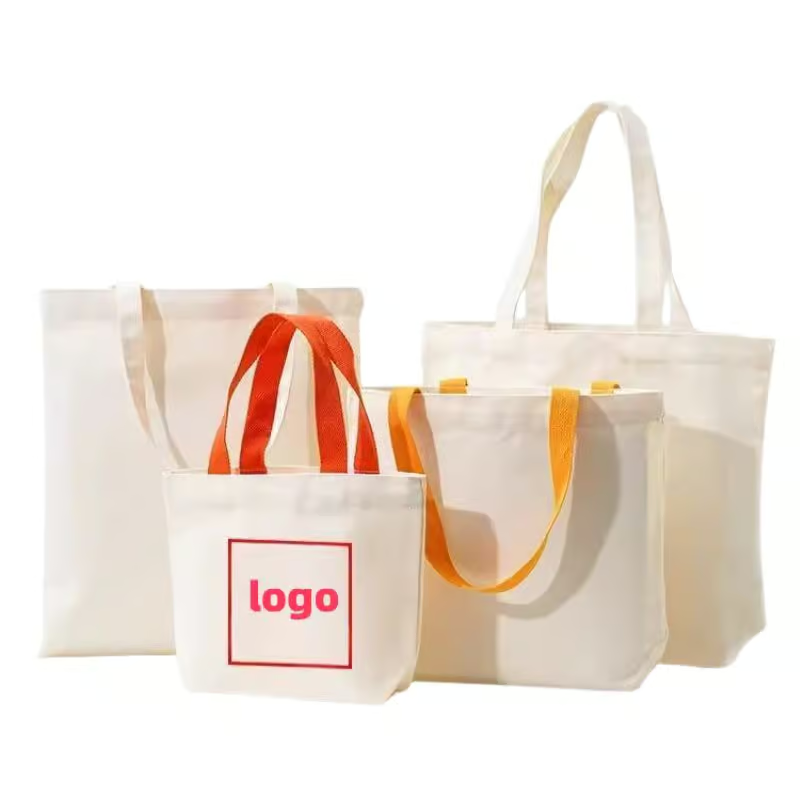
Custom Tyvek Bags for lightweight pouches and branded packaging. Discuss sheet grade, finish and decoration, custom branding and sample approval with CarryFoundry.
Identify the required sheet grade and supplier material documentation. Review folding, stitching and print appearance on the finished sample.
The right quotation begins with a shared understanding of the product. These details help define the sample and production brief.
| Material identity | Request the material producer, exact grade and supporting supplier documentation for the proposed sheet. Identify any coating, lining or additional component separately. |
|---|---|
| Tote construction | For a proposed tote, specify panel dimensions, gusset, handle drop, attachment points and intended contents. Review the filled shape and handles on a complete project sample. |
| Artwork & folding | Define the print area relative to seams and fold lines. Review the decorated, assembled sample in both its packed and filled states, then record the approved appearance. |
| MOQ by reference style | Request a style-specific minimum. Specify quantity per design and color; fabric, hardware and decoration can affect the minimum. |
| Sampling | Confirm sample cost, revision allowance and completion date after artwork and materials are agreed. Courier transit is separate. |
| Bulk production | Confirm the production start and dispatch date in the quotation after the specification, sample approval and payment requirements are agreed. Freight and customs are separate. |
| Packing | Confirm individual protection, folded dimensions, units per carton, carton size and weight, labels and carton marks. Request an agreed packing list. |
| Quotation & payment | Request itemized unit price, sample and tooling charges, payment milestones, quote validity and the named delivery term and place. |
Set the purpose, dimensions, order quantity and target date. Share references for the look and function.
Choose materials, structure, logo placement and packaging. Turn the idea into a specific development brief.
Check the material, construction and decoration on a physical sample. Confirm revisions before production.
Agree the quality checks, packing requirements and shipping plan against the approved specification.
The details that help turn an idea into a clear production brief.
Provide panel dimensions, gusset, handle drop, intended contents and carrying load, material grade, artwork, quantity per design and packing requirements. Confirm development feasibility and approve the complete project sample before treating the proposed tote as an available catalog item.
Ask the supplier to identify the material producer and exact grade and provide supporting documentation for the proposed sheet. Keep the approved material reference with the project specification and confirm any coating, lining or substitution separately.
The minimum is confirmed for the selected design, material, color and decoration. Send the quantity per variant so we can check the brief against material and production requirements.
Treat sample making, revisions, bulk production and shipping as separate stages. A catalog sample estimate is not an arrival-date promise. Ask for an agreed sample completion date, approval deadline and production dispatch date before committing to a launch.
Approve a dated sample and specification covering dimensions, fabric, lining, hardware, artwork and packaging. Agree inspection methods and acceptance criteria, including any destination-market tests, before production.
Use the same specification and quantities for each quote. Separate unit price from sampling, tooling, packaging and freight. Confirm the delivery term, payment milestones, quote validity and how approved changes affect price and schedule.
Tell us the style, quantity and finishing details you have in mind. Bring a sketch, a reference sample, or simply a starting point.