
By CarryFoundry · Updated
What should you send for a logo quotation?
Send the original artwork, intended finished width and height, color references, placement and preferred decoration method. Include the reference bag or dimensioned drawing. Tell the supplier whether the logo must remain visible when the bag is filled or carried. Do not use a small screenshot as the only production reference; ask which editable file format is needed for the selected process.
Measure from repeatable reference points.
Use seams, the top edge or a defined panel center as measurement references. State whether a distance is measured on a flat panel or the finished bag, and agree the placement tolerance. Allow room for seam allowances, pockets, handles, zippers and folded edges. A centered graphic on a flat drawing may appear different once a gusseted bag is filled.
Branding bulk canvas makeup bags.
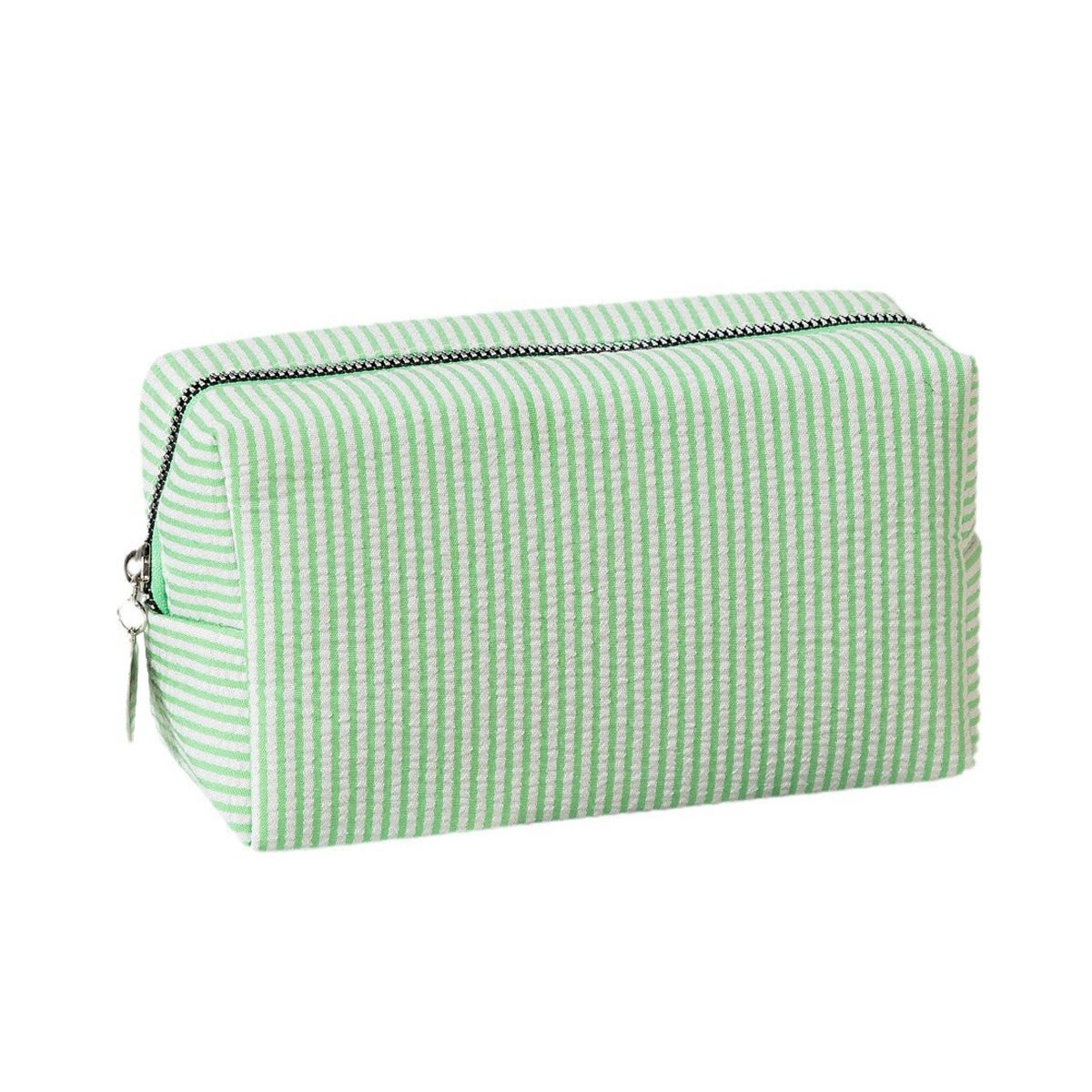
Choose the canvas and finished pouch construction before approving the logo. Specify the composition, weight, color, lining and panel dimensions, then mark a usable decoration area clear of the zipper, seams and gusset folds. Review small lettering and color on the actual fabric. A logo placed on a flat drawing can sit differently when a makeup pouch is filled.
| Method to discuss | Artwork and sample checks | Quotation details |
|---|---|---|
| Screen printing | Check solid areas, fine text, coverage and color on the selected weave. | Colors, print positions, setup and quantity per artwork. |
| Transfer printing | Check detail, surface feel, edges and adhesion on the actual fabric. | Artwork size, transfer process and approved care method. |
| Embroidery | Check lettering, stitch detail, backing and how the panel holds its shape. | Artwork size, digitizing, stitch scope and any lining interaction. |
| Sewn label or patch | Check finished size, attachment, edge clearance and reverse-side appearance. | Label material, tooling if required and attachment work. |
Initials, monograms and different names.
For a repeated monogram, send the final artwork, finished size, placement and color reference for sample approval. An order with a different name or initials on every bag needs a separate capability and price review. Supply a checked personalization list and agree spelling approval, production sequence and packing identification if that service is confirmed. Do not assume a standard bulk logo quotation includes variable-name decoration.
Approve decoration on the assembled cosmetic pouch.
Check the logo with the intended contents packed inside. Review how it sits beside the zipper, over textured fabric and near the base or side seam. Link the artwork revision to the chosen fabric and construction. A catalog bag provides a shape reference; the decorated project sample is the approval record for your brand.
Move a tote design from a digital mockup to a sample.
If you prepare a tote concept in an online design tool, use a dimensioned bag outline, place the artwork at its intended size and label the fabric color, panel and reference edges. Export the editable artwork together with a preview and the order quantities. For a CarryFoundry project, share these files with your sourcing brief for review; this page is a design handoff guide, not an online bag configurator. The digital preview needs a physical decoration and assembled-bag sample before production approval.
| Send with the mockup | Confirm before production |
|---|---|
| Editable artwork and a dated preview | Artwork version, color reference and whether any details need adjustment. |
| Bag dimensions, logo size and panel location | Usable print area, reference edges and agreed placement tolerance. |
| Fabric choice and decoration preference | Appearance on the actual surface and filled tote. |
| Pieces per color and artwork version | Setup scope, variant quantities and approved sample revision. |
Review the design at its actual size.
Print the artwork at the proposed dimensions and review fine lettering and small details. Ask how the selected decoration method handles those details on the chosen surface. Confirm any artwork simplification before sampling. For a range of sizes, specify whether the logo stays the same size or changes with each bag; avoid leaving that choice implicit.
Use the decoration sample to decide.
Discuss screen printing, transfer printing, embroidery, sewn labels or patches in relation to the actual fabric, artwork and order quantity. Each project needs a sample review rather than a blanket promise that one method works on every material. Check alignment, texture, edges, backing and the reverse side where relevant. A digital mockup communicates intent but does not replace physical approval.
Keep color approval separate from screen appearance.
Provide an agreed color reference and review the physical sample under consistent lighting. Screens, photographs, fabric texture and the chosen process can change apparent color. Confirm whether the approved target is a reference code, a physical swatch or the decorated sample. Record that choice together with the artwork revision so repeat orders use the same target.
Define setup charges and the order split.
Ask which setup or artwork charges apply and whether they change for another color, position or logo version. Specify quantities for each combination. Confirm ownership and reuse terms for any tooling or production files where relevant. Include labels, packaging artwork and carton marks in the brief if they are part of the same branded collection.
Approve one complete production revision.
Bring together the material, construction, logo placement and packaging decisions in a dated approval record. Keep the approved artwork filename, physical sample reference and written comments. If something changes, identify the new revision and ask whether it affects price, minimums or dispatch dates. Before shipment, compare the finished goods against that agreed record and inspection scope.
Approve artwork for the shape and the use.
The same logo needs a different placement check on a gathered pouch, a backpack pocket or an insulated bag. Review the decorated panel and complete sample together. Use the application checks below and record the method, material and artwork version actually approved.
| Bag construction | Placement check | Approval record |
|---|---|---|
| Jewelry or gift pouch | Keep the logo clear of the cord channel and inspect it with the opening gathered. | Filled and closed sample; card and label position. |
| Tote or dust bag | Check folds, handles and the product outline behind the panel. | Artwork dimensions and reference edges on the filled bag. |
| Backpack or team bag | Review pocket seams and straps; check names, numbers and logos separately. | Final version list and pieces for each version. |
| Cooler bag | Review the decoration process against the complete layer construction. | Sample showing the selected liner, insulation, outer and decoration. |
| Tool bag | Keep artwork clear of attachment points and frequent tool-contact areas. | Loaded sample and agreed wear/appearance criteria. |
Keep team names and variable artwork under revision control.
Supply a final list pairing each name, number or artwork version with its quantity and bag color. Agree spelling, capitalization, size and placement before sampling, then identify any changes in a new revision. Review the sample process and packing identification with the supplier; the availability and cost of individual personalization must be confirmed for the project.
| Item | Record before approval |
|---|---|
| Artwork | Editable file, version and intended size |
| Placement | Panel, reference edges, distances and agreed tolerance |
| Color | Agreed reference and physical sample |
| Decoration | Method, surface and reverse-side requirements |
| Order split | Quantity for each logo, color and location |
| Sign-off | Dated sample revision, approver and accepted changes |
Download the artwork checklist
Continue your project
- Explore customization
- Tote bag projects
- Cosmetic bag projects
- Prepare a complete sourcing brief
- Jewelry pouch branding
- Team backpack projects
- Custom cooler bag briefs
- Branded tool bag projects
